Some teachers can walk into a room and everyone instantly relaxes. Others say all the right things, but the energy still feels off. The difference isn’t experience or tone, it’s the invisible quality of mindful teaching: that grounded, embodied presence that shapes the whole classroom. In this post you’ll learn about the importance of embodied presence to a calm classroom climate and practical ways to accomplish it.
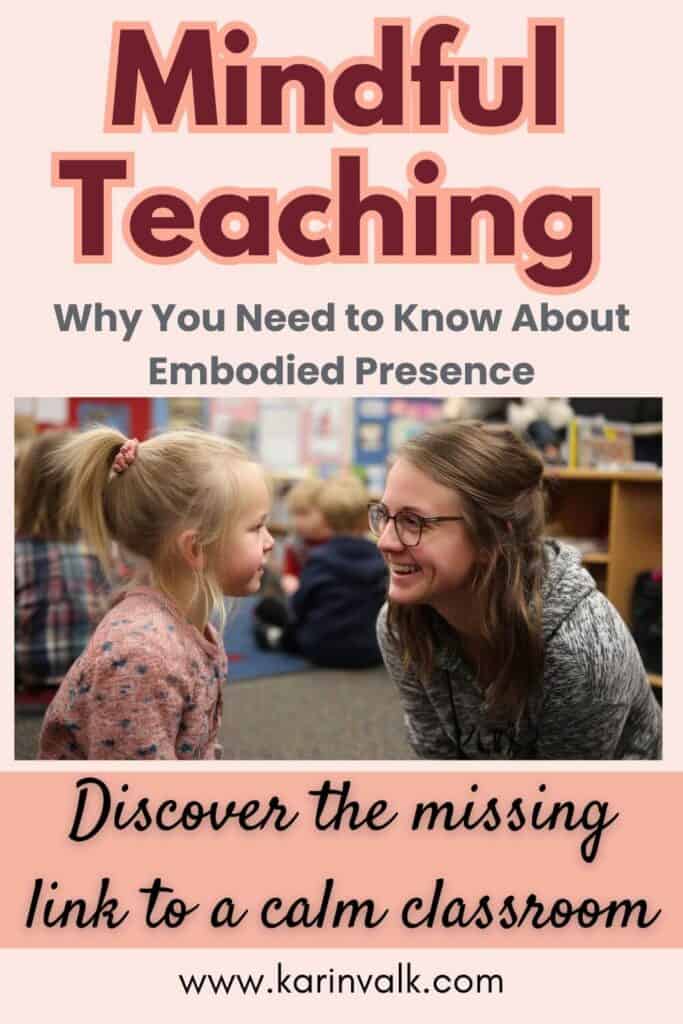
Mindful teaching isn’t about adding more mindfulness activities to your day; it’s about how you show up. It’s the alignment between your body, your intention, and your words — the way your state sets the tone before you’ve even spoken. Whether you realize it or not, your nervous system is part of your lesson plan.
In this post, we’ll explore why your embodied presence matters more than any strategy, how to recognize when you’re acting calm versus truly being calm, and practical ways to build that awareness over time. You’ll learn what mindful teaching really means, how teacher presence influences classroom climate, and tools to help you stay centered even when things get messy.
If you’ve ever wondered how to stay calm as a teacher or how your presence affects your students, this is where to begin.
This post is all about mindful teaching and embodied presence in the classroom.
If you’re new to embodiment or want a clearer sense of what it actually feels like, start with this helpful explanation of what embodiment really means.
What Is Mindful Teaching (Really)?
When teachers hear the phrase mindful teaching, they often picture breathing exercises, gentle music, or a classroom of students meditating together. While those things can help, mindful teaching actually starts before any of that. It starts the moment you walk through the door. It’s the awareness you bring to your body, your breath, and your state of mind long before you greet your students.
Mindfulness in the classroom isn’t a separate lesson; it’s your baseline. When you walk in distracted or tense, students pick up on it within seconds. When you walk in grounded and present, they do too. Mindful teaching is about teaching from awareness rather than adding awareness on top of teaching.
Think of it as running two parallel lessons at once: one is your academic plan, and the other is your silent lesson in presence: showing students what regulation, focus, and calm authority actually look and feel like. The more aware you are of your internal state, the more choice you have in how you respond, lead, and connect.

From Mindfulness to Embodied Presence
Most teachers already know a lot about mindfulness for teachers: pausing, breathing, noticing thoughts. But embodied presence takes that awareness a step further. It’s not just noticing; it’s inhabiting. It’s the difference between thinking about calm and actually being calm.
You can stand tall, smile, and say all the right things, yet still project tension if your body isn’t aligned with your words. Students sense that mismatch immediately. They might not be able to name it, but they feel it. When you’re truly grounded, your energy, tone, and posture all communicate the same message…and that’s when students trust you.
Embodiment isn’t something that clicks after one breath or one grounding exercise. It’s built over time through awareness, repetition, and feedback from the world around you. Think of it like learning an instrument; each check-in strengthens your ability to “tune” yourself before you teach.
Try This: The Aligned No
Think of a moment when you needed to set a clear boundary with a student. Say “no” aloud while distracted or unsure about why you say no (this happens often when many kids want our attention at the same time), and notice what happens in your body. Then pause, feel your feet on the floor, breathe into your belly, align with your no. Now, say “no” again. Don’t expect instant transformation, just notice the difference. Over time, this awareness becomes second nature.
How Teacher Presence Shapes Classroom Climate
If you’ve ever walked into a classroom and instantly felt the mood before anyone even spoke, you’ve already experienced how powerful teacher presence can be. The atmosphere of a classroom isn’t just created by decorations, curriculum, or even rules; it’s created by the state of the person leading it.
Research keeps confirming what teachers have always known intuitively: your energy sets the tone. Neuroscientists call it co-regulation: students’ nervous systems literally sync with yours. When you’re steady, they feel steadier. When you’re anxious, they sense that too. Think of it as emotional Wi-Fi: your signal strength matters.
One morning, I walked into class feeling stressed about multiple things. I smiled, said good morning, and started the day as usual. Within ten minutes, my normally pretty calm group was fidgety, distracted, and talking over each other. When I realized what was happening, I took a deep breath and felt my feet—just enough to notice how not in my body I’d been. Things didn’t magically become perfect, but my shift had a calming effect on the kids almost immediately.
That’s the power of embodied presence. Your state is contagious. And the best part? You can use that influence intentionally, not by pretending to be calm (doesn’t work at all, they pick up on the energy), but by actually reconnecting with yourself when you need it most.

Teacher Presence: How to Tell When You’re Centered or Just Acting Calm
Every teacher has had those moments where you look calm but secretly want to crawl under your desk. The students can feel it, too. You might fool adults—but kids are professional vibe detectors.
Here’s what often gives it away:
- Your smile stays, but your jaw is tight.
- You’re speaking slowly, but your breath is stuck high in your chest.
- You’re holding perfect posture, but your shoulders feel like bricks.
- You’re saying “It’s fine,” but your body’s broadcasting “Panic!” on every frequency.
When you’re truly centered, it’s different. Your breath drops lower, your voice softens naturally, your eyes stay warm, and your movements slow down just a touch. You still respond, but from steadiness instead of survival mode. Students don’t need you to be perfect, they just need to feel that you’re here.
Try This: Mini Check-In
During the day, pause regularly and ask: “Am I performing calm, or am I actually calm?” You don’t have to fix anything, just notice. Over time, that question alone starts building real self-awareness in teaching and helps you spot tension before it takes over.
If you’d like practical ways to support students once your presence is grounded, these calming classroom activities are a great next step.
Practical Ways to Cultivate Embodied Presence
There’s a reason athletes and musicians practice daily; awareness in the body doesn’t stick after one good session. It’s the same for teachers. You can’t just take one deep breath and expect to feel zen for the rest of the day (if only!). But with small, consistent practices, embodied presence becomes your default setting rather than a rescue strategy.
Here are a few practical ways to start cultivating it in your classroom:
1. Grounding Exercise at the Door
Before you greet your students, pause for just a few seconds at the threshold. Feel your feet, the floor, the weight of your bag or mug. Don’t think of having to be calm, just let yourself arrive. How are you truly feeling? What do you need in this moment? This self-care moment helps your teacher self-regulation kick in before the kids storm in.
2. Breathe with Awareness, Not Agenda
Instead of “taking a deep breath to relax,” try noticing how you’re already breathing. Short? Tight? Stuck in your chest? Awareness alone shifts your nervous system. Over time, longer exhales come naturally, and it’ll be easier to find your calm.
3. Posture as Presence
Notice what happens when your shoulders round forward compared to when your spine lengthens and your head lifts. Students don’t need perfection; they need congruence. Your body language and presence become the classroom’s emotional compass.
4. Move Between Lessons
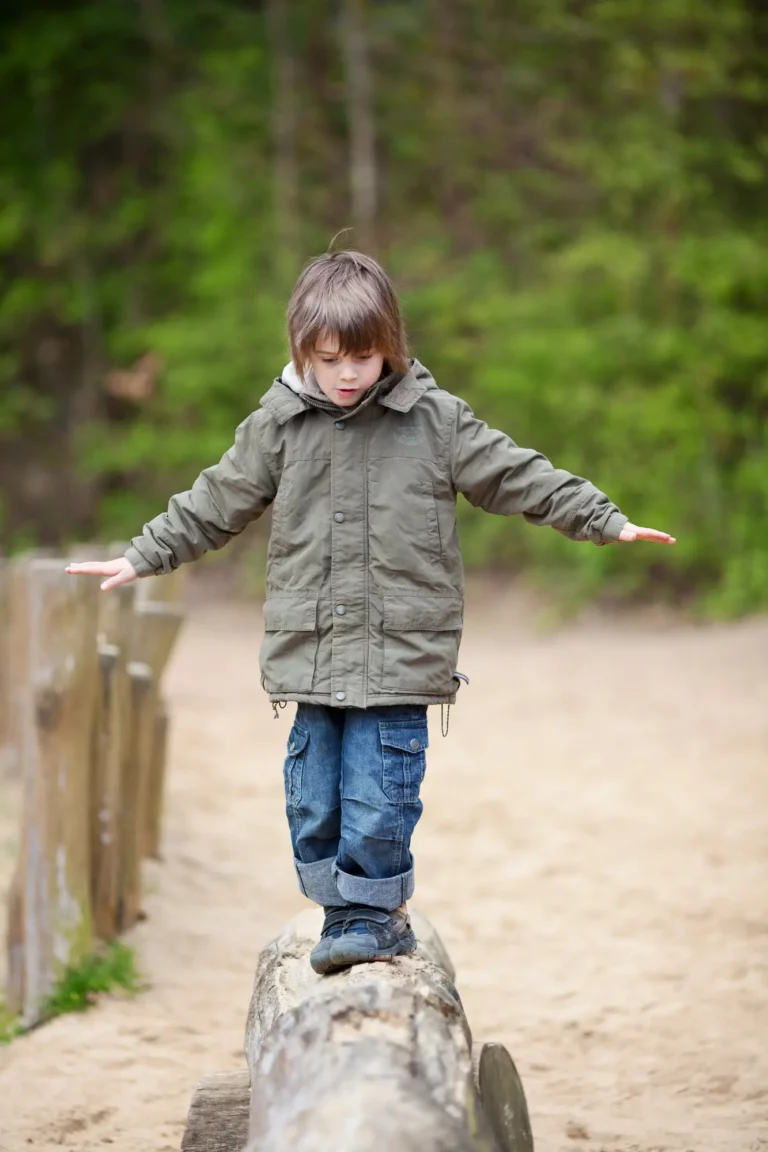
Even 30 seconds of movement changes your energy. Walk the hallway with awareness, stretch your hands, or shake out your arms. Often, we lose touch with our feet and legs when we’re so busy with our thoughts and surroundings. Moving and feeling your body, especially the lower part, can make a huge difference.
And, if you’re exploring the physical setup of your space, I also have a guide on creating calming classroom regulation stations that actually work.
5. End-of-Day Energy Scan
When school ends, pause before leaving. Feel into your body: where do you hold tension? Shoulders, jaw, stomach? Notice it without fixing it. This small habit grows awareness that builds long-term benefits and is a great addition to your mindful teaching practices. Tip: Do this one with your students, it’s a great life skill for everyone!
Try This: End-of-Day Scan
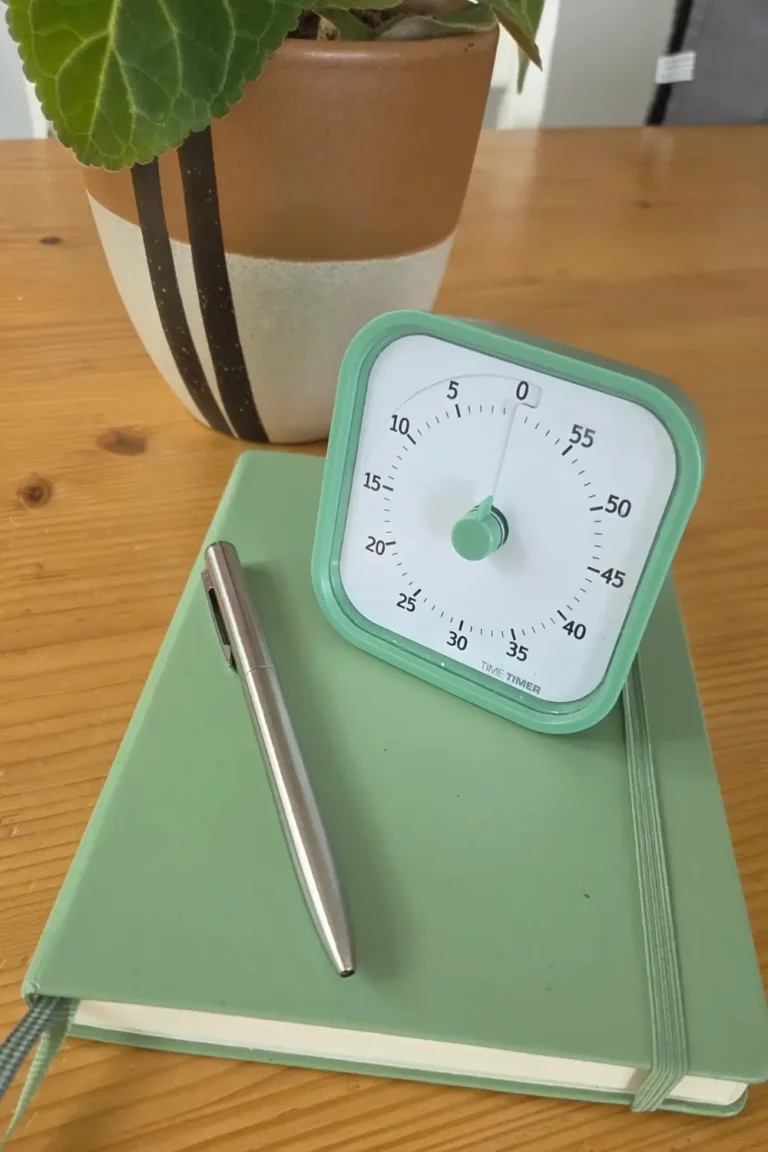
After you shut your laptop or turn off the classroom lights, stand still for a moment. Feel your breath and name one sensation (tight, heavy, light, open, warm, etc.). Write one word in a journal or planner. Over weeks, you’ll see patterns that can give you insight and help you make choices that better support you and your classroom.

Why Mindful Teaching Matters (Also Beyond the Classroom)
Let’s be honest, teaching asks you to hold a thousand things at once: the curriculum, the noise, the emotions, the endless to-do list running in the background. It’s no wonder so many teachers end the day feeling both wired and worn out, wondering, “Why do I still feel so tense even after the kids go home?”
That tension isn’t just physical…it’s what happens when we spend hours slightly braced, performing calm while juggling the unpredictable rhythm of a classroom. Over time, that constant low-level strain can lead to exhaustion and burnout. Embodied presence changes the pattern. It lets you teach from your center instead of your stress response.
When I was an international primary school teacher, I didn’t yet know how much my body was carrying. Like many teachers, I powered through, thinking being tired was just part of the job. Only later—while recovering from burnout—did I realize how much energy I’d spent holding myself together rather than being truly present. Now, I teach from that lesson: that embodiment isn’t luxury or self-care fluff; it’s sustainability.
For international and multilingual classrooms, embodied leadership matters even more. Not every student understands your words, but everyone understands your energy. A steady teacher presence makes children from any background feel safe, included, and able to learn.
Your body isn’t separate from your teaching; it’s the medium through which your calm, your warmth, and your authority are communicated. The more regulated you are, the more permission and ease your students have to regulate, too.
Mindful Teaching: Start Small, Notice, and Repeat
Embodiment isn’t about doing more. It’s about noticing more often. The next time you catch yourself rushing from one thing to the next, pause—not for a perfect breath, but for awareness. How are your feet on the floor? Your shoulders? Your jaw? You don’t need to fix anything. Just start paying attention.
Some days you’ll forget entirely. Others, you’ll remember halfway through a chaotic lesson and think, Oh right, me. That’s when it starts to work. Every time you notice, you re-establish your connection to yourself. Over time, that connection becomes presence, and that presence changes the entire classroom climate.
If you’re in a multilingual or international school, this matters even more. Presence communicates safety across every language barrier. Students don’t always understand your words, but they’ll always understand the way you make them feel.
So start small. Notice your breath once in the morning, or feel your feet before you speak. Then notice again tomorrow. Consistency, not intensity, is what builds real mindful teaching and embodied presence.

Mindful Teaching FAQ: Common Questions About Embodied Presence
How does teacher presence affect classroom climate?
Decades of research in neuroscience and education show that classroom energy starts in the teacher’s nervous system. According to Stephen Porges’ Polyvagal Theory, humans constantly read each other’s body and voice tone for cues of safety or threat. In the classroom, that means students are tuning into your body first. This process, called co-regulation, explains why a regulated adult can calm an entire group of children, while an anxious adult can unintentionally heighten tension.
Your embodied presence (the alignment between body, breath, and intention) is the anchor point of classroom safety. When you come in feeling grounded and with a clear sense of authenticity (not sure how else to describe it) your body language and tone of voice will be very different from you being stressed, etc. With a steady posture, open gestures, and a grounded voice, students’ nervous systems register “safe to learn.” This is what teacher emotional regulation can look like: it models stability rather than demanding it. Over time, that stability shapes a positive classroom climate where trust and curiosity replace defensiveness.
Even small shifts in teaching presence make a difference. A slower tempo, softer eyes, or an exhale before responding can transform reactivity into connection. That’s how physiology becomes pedagogy: your regulated state literally helps students’ bodies settle so their minds can engage.
What’s the difference between mindfulness and embodiment?
This could be answered quite extensively, but in short, mindfulness is awareness; embodiment is integration. You can be aware of stress but still carry it in your body. Embodiment means actively changing your state or trait. Embodied presence means your awareness and your actions align: your body, mind, and energy send the same message.
If you’d like a deeper explanation of embodiment, this post breaks down exactly what embodiment means and how it works in practice.
How can I stay calm as a teacher when things get stressful?
Forget perfection. The goal isn’t to never feel stressed; it’s to notice when you’re leaving your center and know how to return. Start by checking your breath, loosening your shoulders. Feel your feet. And remind yourself that calm doesn’t mean passive — it means connected. The more you practice this throughout your day, the easier it’ll become. Give yourself time.
How can I bring mindfulness into my classroom without extra time?
You don’t need separate lessons or breathing breaks. Mindfulness in the classroom happens through you, through the way you transition, listen, and respond. Each interaction is an opportunity to model grounded awareness for your students. What I learned through my embodiment training is that our own embodiment has a bigger influence than any tools or strategies.
Having said that, you can always ask quick questions or comments to bring some mindful awareness to the moment. For example: “Before we begin, how are your feet? Still there? Flat on the ground? Good. Take a breath, let’s get started”. These things cost no extra time but help students build the foundation for mindfulness skills.
What if I’m not naturally calm or grounded?
Then you’re perfectly human. That calm and grounded feeling is something you can build. In Jongens in hun kracht (translates to “boys in their power/strength”, an amazing coaching program around the “boys energy”, which every single person on the planet has), we start from the ground—literally. Most people only use their upper body to manage stress, but your real stability lives lower, in your legs and contact with the floor. When your body is actually supported, your breath, emotions, and focus begin to reorganize themselves.
You can try a light version at home: lie down on the floor on your belly and move forward mostly using your feet and legs. To make sure you don’t pull yourself forward with your hands and arms, grab your pants and hold them as to prevent them from sliding down. Feel where you meet the floor and what your legs and feet are doing. This builds beenbewustzijn (leg awareness), the foundation of…well, everything.
If lying down isn’t possible (like in the classroom while trying to teach kids things), you can do this while standing: feel the weight in your legs by gently tapping them up and down with your fists or fingertips, soften your knees, and imagine your breath flowing down into your feet. I highly encourage you to do this with the students!
Over time, that physical grounding turns into emotional grounding. Your embodied presence becomes more authentic, calm and grounded. And you and your classroom will be all the better for it!
Final Thoughts on Mindful Teaching and Embodied Presence
Your body is your first teaching tool. Mindful teaching isn’t about adding one more thing to your already full day. It’s about coming home to the one thing you always have: yourself.
When you start noticing your state before you try to manage theirs, everything changes. You teach better, connect deeper, and go home with more energy left for your own life. Because the more embodied presence you bring to your classroom, the calmer and more connected everyone in it becomes — including you.