If you’ve got 5 minutes and a curious group, you’ve got all you need. These emotion games for preschoolers make practice fun, low-prep, and surprisingly calming for the whole class. Think of them as fun emotion games that sneak in social emotional learning without kids even realizing it.
This post may contain affiliate links, which means I may earn a small commission at no extra cost to you.

Preschoolers learn best when they can move, laugh, and explore. Especially, when it comes to understanding feelings. These emotion games for preschoolers turn social-emotional learning into active play, helping kids recognize emotions in themselves and others.
Whether you’re a teacher, parent, or caregiver, you’ll find ideas here that are quick to set up, adaptable for different group sizes, and perfect for both home and classroom settings.
Along the way, you’ll also find feelings games for preschoolers, activities about emotions for preschoolers, and other playful ways to build preschool social skills so kids can communicate and connect with confidence.
This post is all about emotion games for preschoolers.
What Are Emotion Games for Preschoolers and What Are the Benefits?
Emotion games for preschoolers are playful activities designed to help young children recognize, name, and respond to feelings; in themselves and others. These games turn emotional learning into something fun and active, making it easier for kids to build skills like empathy, cooperation, and self-regulation. They can also improve listening skills, encourage problem-solving, and build confidence as children learn they can handle different emotions.
They’re easy to adapt for small groups, circle time, or at-home play, and they work especially well alongside emotion books for preschoolers that explore feelings. While my list of social emotional learning books isn’t preschool-specific, many of the titles can be adapted for younger children or used as inspiration for your own classroom library.
Quick Tips for Using Emotion Games
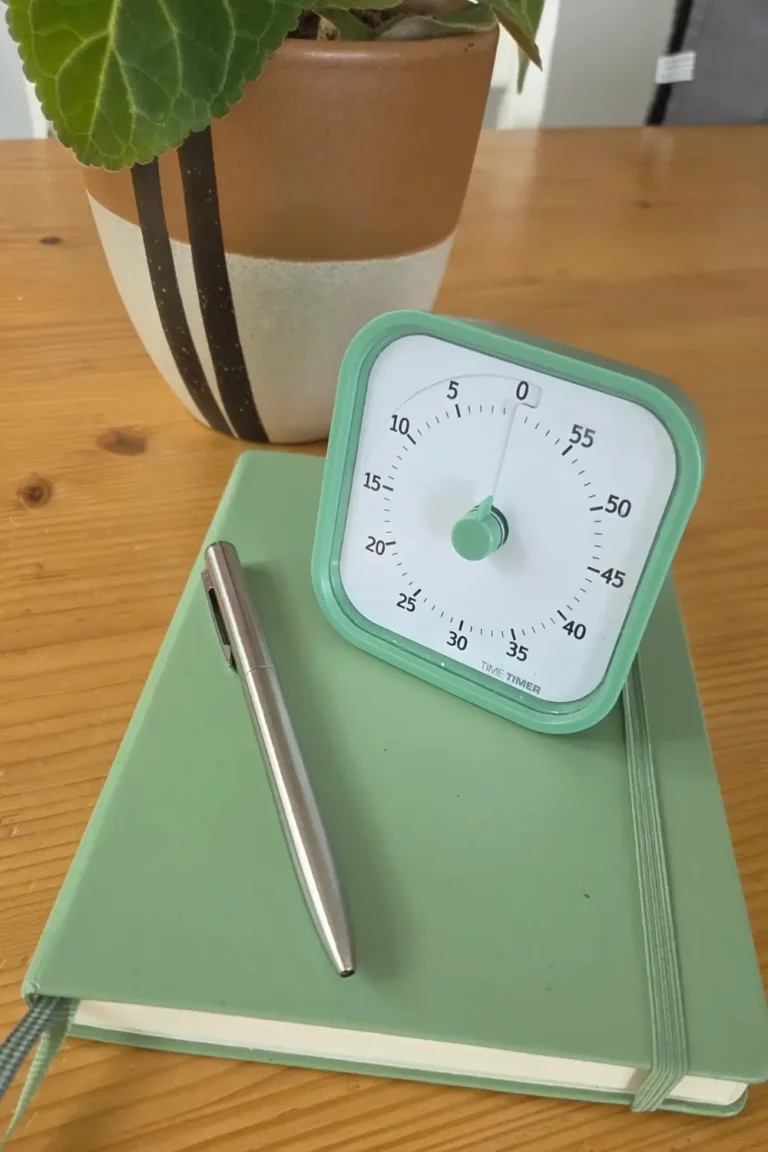
Keep sessions short and upbeat. Preschoolers learn best in bursts of 5–10 minutes, so end games while they’re still having fun.
Mix movement and quiet time. Alternate active games with seated activities to help children practice shifting energy levels. An important self-regulation skill!
Use clear visual cues. Emotion cards, puppets, or facial expression charts make it easier for children to connect words with feelings.
Adapt for language needs. For multilingual learners, introduce feelings words in both their home language and the language of instruction to build deeper understanding.
8 Epic Emotion Games for Preschoolers
The following emotion games are designed to make emotional learning playful and memorable. You can use them in the classroom, at home, or even outdoors. Adapt each one to fit your group size, energy level, and available materials. Many of these social emotional activities for preschoolers can be played in just a few minutes, making them easy to slot into transitions or circle time. I hope you enjoy them!
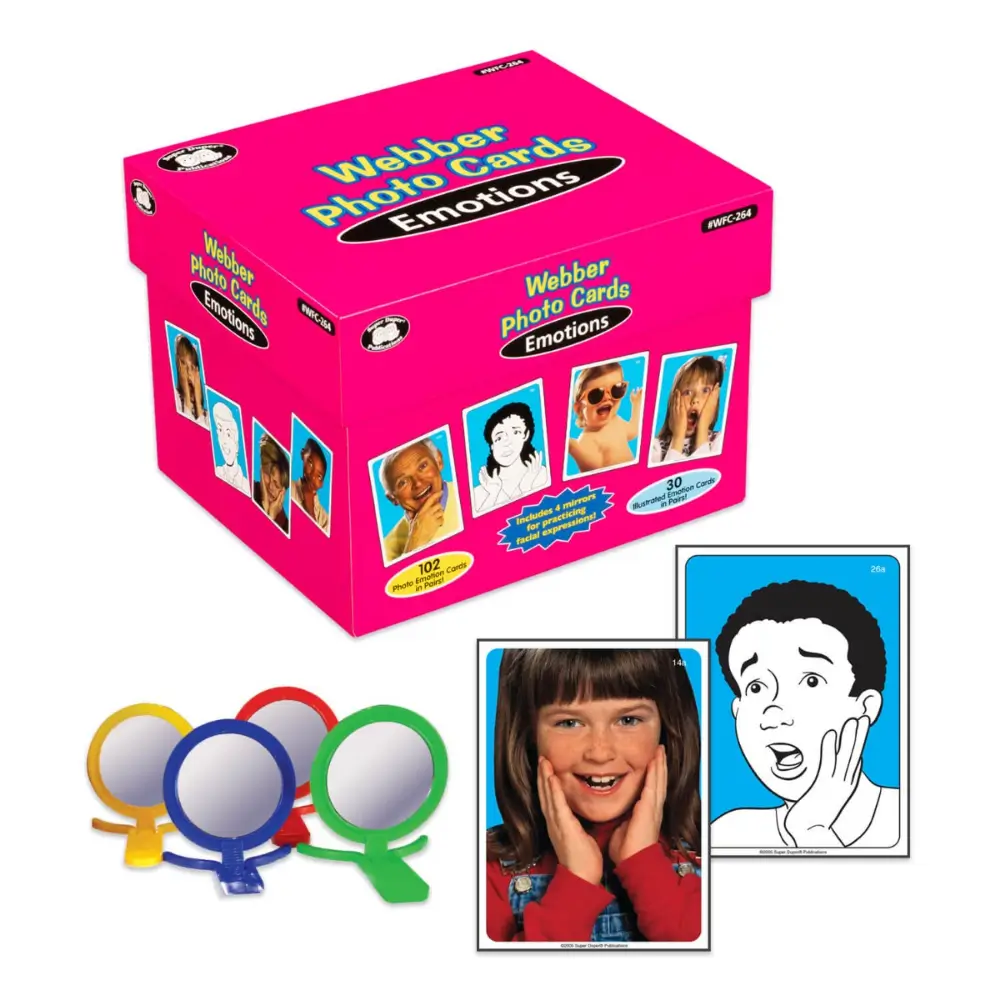
If you’re looking for emotion cards that are easy for young children to interpret, I particularly like photo-based resources. National Autism Resources specializes in social-emotional and communication supports. Their products, including these emotion cards, are research-backed.
Facial expressions are generally difficult for young kids to read, so I highly recommend using products that are created by people who know what they are doing!
1. Feelings Games for Preschoolers That Build Vocabulary
One of the easiest ways to expand emotional vocabulary is through Emotion Charades. A fun social-emotional game that gets kids thinking, moving, and laughing.
How to Play:
- Prepare your emotion prompts. You can write feelings words on slips of paper, use picture cards, or print a a ready-to-use visual resource, like these Emotion Cards & Storybook for Preschool. It features real photos of children expressing 12 common emotions, making it an effective and inclusive tool for helping preschoolers identify and name feelings.
- Set the rules. Show children how to act out a feeling without using words or sounds. Only facial expressions and body language.
- Take turns. One child picks a card and silently acts out the feeling while the others guess. Encourage them to say the feeling word out loud when they think they’ve got it.
- Switch roles often. Rotate quickly so everyone gets plenty of turns and the game stays lively.
Tips & Variations:
- For younger preschoolers or multilingual learners, start with just a few basic feelings (happy, sad, angry, surprised) before adding more nuanced ones like frustrated, proud, or worried.
- Let children suggest their own feelings to act out. This can spark great discussion about what different emotions look like.
- If a child struggles to act out a feeling, pair them with a friend for support.
Bonus Game: Feelings Freeze Dance. Play music and have children dance. When the music stops, call out an emotion and have them “freeze” while showing that feeling with their face and body. This is great for practicing quick recognition of feelings words.
2. Activities for Preschoolers About Feelings With Visuals
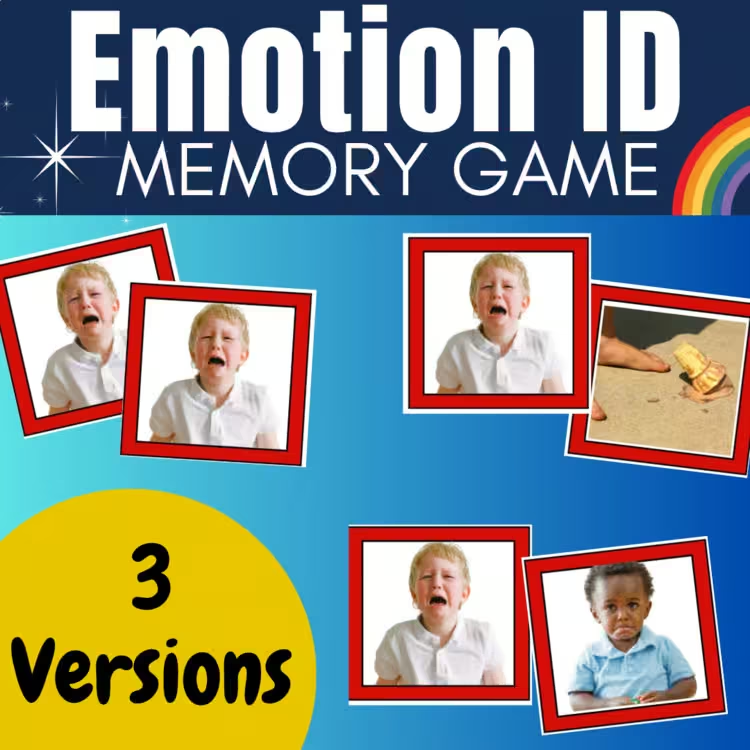
Visuals make emotions easier to understand, especially for children who are still developing language skills. Feelings Memory Game is a simple game that helps preschoolers connect facial expressions with feelings words.
How to Play
- Prepare your cards. Use a set of emotion cards with clear photos or illustrations of facial expressions like this ready-made emotions memory game available on TeachersPayTeachers. If making it yourself, make sure each emotion appears twice: once as a picture and once as a written word; or two matching pictures.
- Lay them out face down. Arrange all the cards in a grid on the floor or table.
- Take turns flipping. Players flip two cards at a time, trying to match the picture to the correct word.
- Say it out loud. When a match is made, have the player say the emotion word and, if possible, make the matching face.
Tips & Variations
- For multilingual learners, include cards with the feeling word in both the home language and the classroom language.
- For children not yet reading, play with picture-only cards and match identical expressions.
- Use fewer cards for younger preschoolers to keep the game short and fun.
- Reinforce learning by pausing to talk about times they’ve felt each emotion in the game.
Bonus Game: Emotion Sorting. Provide a pile of emotion cards and ask children to sort them into “positive,” “negative,” or “mixed” feelings piles. This builds early categorizing skills and invites discussion about how emotions can feel different in different situations.

3. Preschool Social Skills Activities Through Role Play
Role play is a powerful way for preschoolers to practice empathy, cooperation, and problem-solving in a safe, playful setting. Emotion Role-Play Scenarios encourage children to explore different feelings and how to respond to them.
How to Play
- Choose a simple scenario. Examples: a friend drops their toy, someone is feeling left out, or a child gets a turn on the swing.
- Assign roles. One child plays the main character, and others act as friends, helpers, or observers.
- Act it out. Keep it short: 1–2 minutes is plenty. Encourage children to show how the character might feel using their face, voice, and body language.
- Reflect together. After the scene, ask questions such as: “How do you think they felt?” and “What could we do to help?”
Tips & Variations
- For multilingual learners, teach a few feeling words in both the home language and classroom language before starting.
- For shy children, let them “direct” the scene instead of acting in it.
- Use puppets or stuffed animals for children who are hesitant to act in front of peers.
- Keep scenarios relatable: draw inspiration from recent class events or everyday home life.
Bonus Game: Emotion Switch. Act out a scenario but switch the feeling halfway through (e.g., start as “sad,” then change to “excited”). This helps children practice recognizing and adapting to emotional shifts.
4. Emotional Activities for Preschoolers With Movement
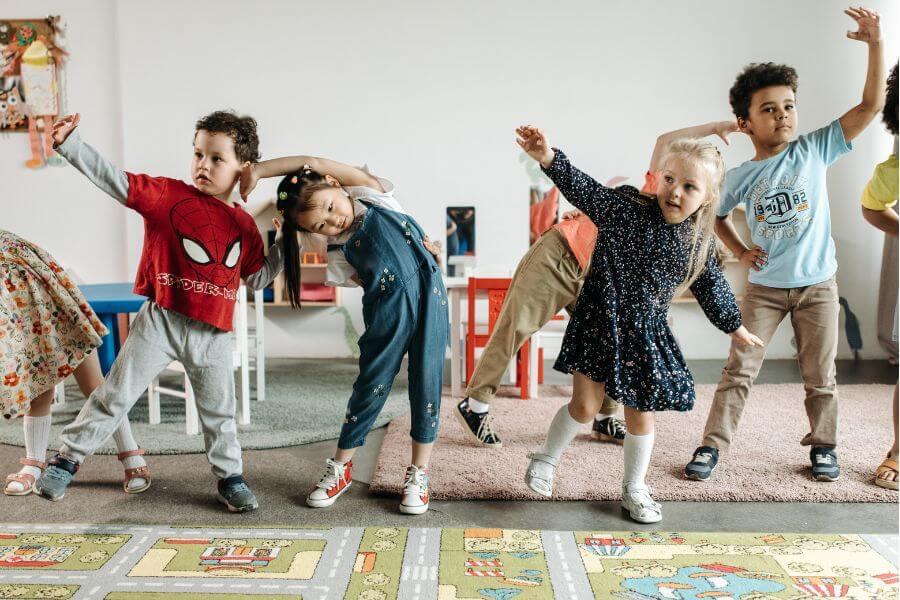
Movement-based games give preschoolers a chance to release energy while practicing emotional awareness. Emotion Action Stations combines active play with quick reflection on feelings.
How to Play
- Set up your stations. Place 4–6 signs or pictures around the room, each showing an emotion (e.g. happy, angry, calm, excited, tired, surprised).
- Assign an action to each emotion. For example: jump for happy, stomp for angry, sway for calm, spin for excited, stretch for tired, clap for surprised.
- Call out an emotion. Children run to that station and do the matching action.
- Mix it up. After a few rounds, let children suggest new emotions and actions to add variety.
Tips & Variations
- Practice the emotion and movement first, especially for multilingual learners. You can also label each station in both the home language and classroom language.
- Rotate leaders. Children love calling out the emotions for others to find.
- If indoors space is limited, play as a seated version using hand motions or facial expressions instead of full-body movements.
- For extra SEL value, pause and ask: “When do you feel [emotion]?” before moving on to the next round.
Bonus Game: Emotion Hopscotch. Draw a hopscotch grid with chalk and write a different feeling in each square. As children hop through, they name the emotion and show it on their face.
If you’re looking for fun social emotional learning activities for primary/elementary or middle school children then you’ll love this post.
5. Emotion Games Preschool Kids Can Play in Pairs
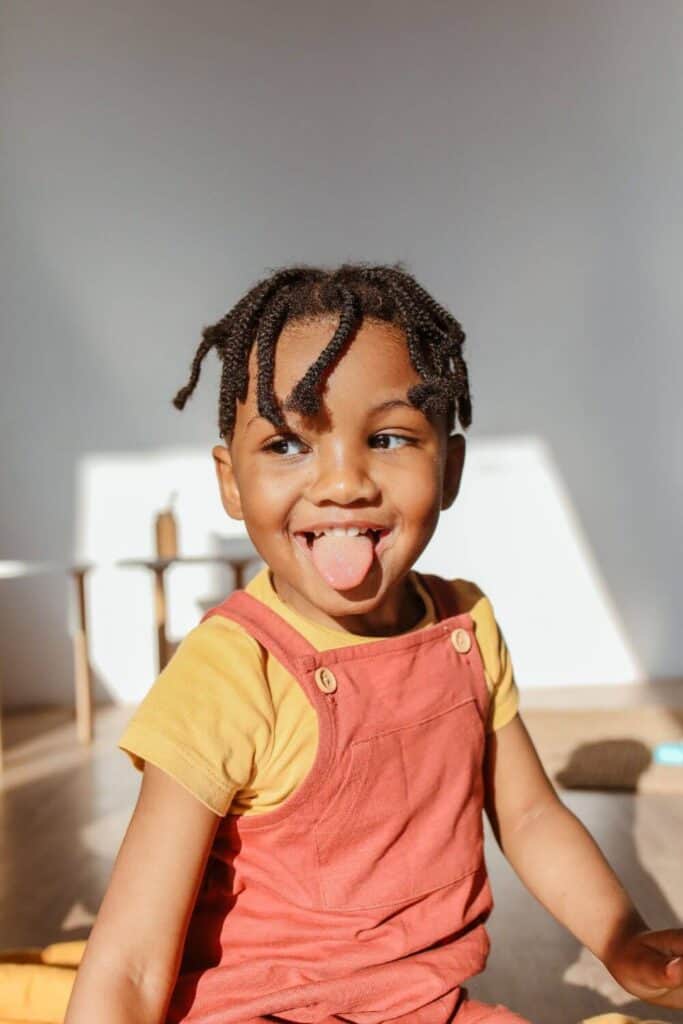
Partner play builds turn-taking, empathy, and clear communication. Mirror & Match is a simple pair game that helps children read facial expressions and body cues. And, it works beautifully alongside other emotion games for preschoolers or activities about emotions for preschoolers to strengthen vocabulary and social skills.
How to Play
- Pair up. Sit or stand partners facing each other.
- Choose who leads first. The leader shows an emotion silently using face and body (e.g., proud, worried, excited).
- Mirror. The partner copies the expression and posture as closely as possible.
- Name it together. Ask: “What feeling did we show?” Encourage each pair to say the word out loud.
- Switch roles. Keep turns short (about 30–60 seconds) so energy stays high and everyone gets lots of practice.
Tips & Variations
- Start with 3–4 basic feelings, then add nuanced ones (proud, disappointed, nervous).
- If a child feels shy, let them mirror first before leading.
- For language support, place a few feeling word cards next to pairs so they can point to or repeat the word after each round.
- End each round by asking for a time they’ve felt that emotion. One quick sentence per partner.
Bonus Game: Back-to-Back Feelings. Partners sit back-to-back. One child silently forms an expression; on “3,” both turn to show their faces and guess the emotion. Quick, silly, and great for rapid recognition.
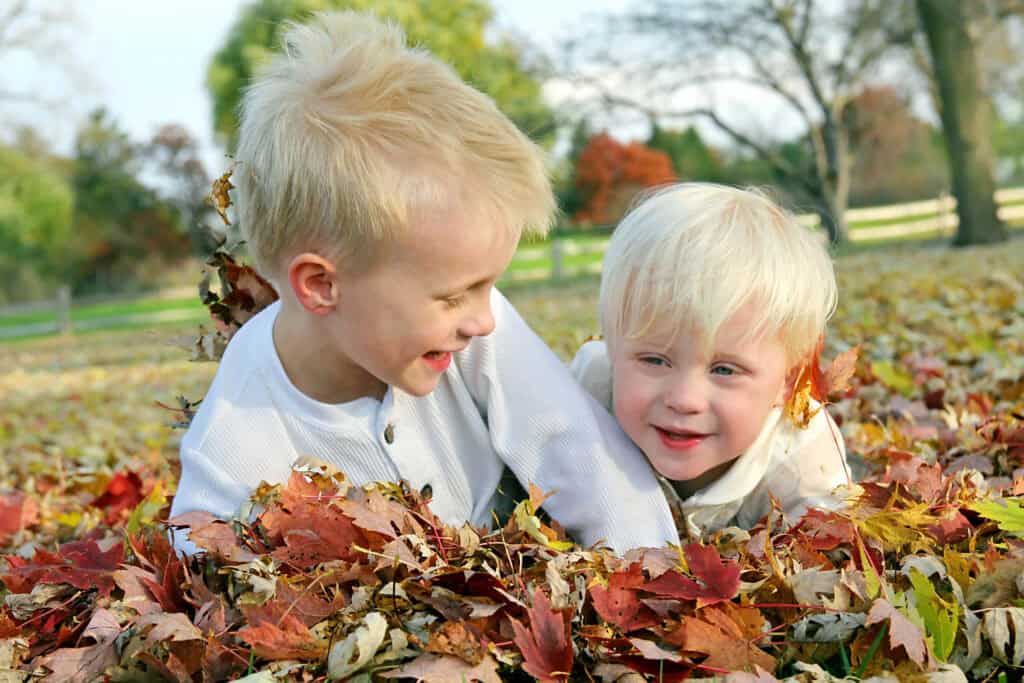
6. Social and Emotional Activities for Preschoolers Outdoors
Taking learning outside adds fresh energy and sensory experiences to social and emotional activities for preschoolers. Feelings Scavenger Hunt combines movement, observation, and emotional awareness, and can be adapted for parks, playgrounds, or schoolyards. This activity also pairs well with activities for preschoolers about feelings I’ve introduced indoors, giving children a new way to practice.
How to Play
- Make your list. Choose 5–6 “emotion prompts” (e.g., find something that makes you feel calm, find something that looks happy, find something that feels exciting).
- Set the boundaries. Mark the area where children can search.
- Go exploring. Children look for items or places that match each prompt and share what they’ve found.
- Talk it out. After each find, ask why it connects to that feeling. This builds vocabulary and emotional reasoning.
Tips & Variations
- For multilingual learners, say each prompt in both the classroom language and home language.
- Let children draw or take photos of their finds to share later in a class discussion.
- Keep the list short for younger preschoolers to prevent overwhelm.
- Turn it into a group challenge by having the class work together to find all the emotions on the list within a set time.
Bonus Game: Emotion Tag. Assign each tagger an “emotion” (happy, angry, excited). When they tag someone, that child acts out the feeling for 5 seconds before rejoining the game.

7. Activities About Emotions for Preschoolers Using Storytelling
Storytelling is a natural way to teach emotions, making it easy to blend activities about emotions for preschoolers with rich language development. Puppet Stories about Feelings gives children a safe, creative space to explore how characters might feel, and why. Pairing these activities with preschool emotion books or books about feelings for preschoolers deepens understanding through context and gives kids a visual anchor for emotions.
How to Play
- Gather your characters. Use puppets, stuffed animals, or simple paper cutouts.
- Start the story. Introduce a short scene (e.g., a puppet can’t find their favorite toy).
- Pause for feelings. Ask: “How do you think they feel right now?” and “What could happen next?”
- Continue together. Let children suggest what happens and how the character might react.
- Reflect at the end. Talk briefly about the feelings shown and how they were resolved.
Tips & Variations
- Use puppets that reflect diverse backgrounds to support inclusion.
- For multilingual learners, include emotion words in both the home language and classroom language.
- Switch storytellers often so everyone gets a chance to create and act.
- Link the story to a related book you’ve read recently so children can make text-to-life connections.
Bonus Game: Feelings Story Dice. Roll a die with different emotions pictured on each side, then tell a short story that includes that feeling.
8. Tools and Props That Make Emotion Games Even Better
While most emotion games for preschoolers can be played with no special equipment, the right tools can make them more engaging and help children regulate between activities.
How to Play
Instead of a single game, this section is about adding small enhancements:
- Visual prompts. Keep a small set of emotion cards handy to support recognition and naming, especially for multilingual learners.
- Story props. Puppets or story dice can make storytelling-based activities more interactive and hold attention longer.
- Sound for calm-down moments. After an energetic game, use a gentle sound tool like the Baby Shusher to help children reset before the next activity. Originally intended for infants, the rhythmic “shhh” sound can be especially soothing for neurodiverse learners or younger preschoolers. And it comes in a super cute sloth version too!
Tips & Variations
- Rotate props so games stay fresh without buying new materials constantly.
- Choose visuals that reflect diverse cultures and expressions for inclusivity.
- Store all materials in a “feelings box” so children know where to find and return them.
Bonus Game: Feelings Prop Game. Hold up a prop and call out a feeling. Children use the prop to act out the emotion in any way they like.

FAQ About Emotion Games for Preschoolers
What age are emotion games best for?
Most of these emotion games are ideal for ages 3–5, but you can adapt them for younger toddlers by using simpler prompts and shorter play times. Older children can enjoy more complex versions, especially role play and storytelling activities.
How often should I play emotion games with preschoolers?
Short, regular sessions work best. Even 5 minutes a few times a week can build emotional vocabulary and social skills. Consistency matters more than duration.
Can these games help multilingual learners?
Yes. Many activities about emotions for preschoolers can be adapted by introducing feelings words in both the home language and the classroom language, helping children connect new vocabulary to emotions they already understand.
Final thoughts on Activities About Emotions for Preschoolers
The right emotion games for preschoolers can turn social-emotional learning into joyful, everyday moments. By mixing movement, visuals, storytelling, and partner play, you give children multiple ways to recognize and express feelings. Skills they’ll carry into every part of life. These activities work just as well alongside feelings games for preschoolers or social emotional activities for preschoolers, creating a well-rounded toolkit for emotional growth.
Whether you’re someone working in childcare, a teacher looking to build classroom community or a parent wanting to support emotional development at home, the key is to keep games short, engaging, and adaptable.
And if you’re ready to explore even more ways to connect emotions with learning, take a look at my SEL books post for additional inspiration.