If you’ve ever wondered “What should a study room have for kids?” this is where study room decor finally makes sense for multilingual families. Let’s create a study space that helps your child learn; in every language they carry.
I earn commissions when you shop through the links below at no additional cost to you. As an Amazon Associate I earn from qualifying purchases.
I sometimes include Amazon links because I know ease and accessibility matter—especially for busy parents and teachers—but I’m also working on adding more options from smaller or values-aligned businesses. I’ll keep updating this post as those become available.

Study room decor isn’t just about making a space look nice. Done well, it can remove part of the mental load multilingual kids carry when they switch between home language and the school’s language of instruction. When the environment supports their focus, emotional regulation, AND use of all their languages, studying becomes lighter and far more effective.
As a multilingual family, you don’t need to be a language teacher to create a study room that genuinely helps your child learn. Small tweaks in study room decor, organization, and visuals can reduce translation fatigue and make schoolwork feel more doable.
In this post, you’ll find clear, practical ideas you can set up today. All designed to support multilingual thinking, strengthen home language use, and give your child a real learning advantage.
This post is all about smart study room decor that supports multilingual kids.
If you’re looking for products and easy setups that help to take good care of your child while they study, you might love this post:
Smart Study Room Decor Ideas for Multilingual Families
The right study room decor can do something pretty amazing for multilingual kids: it can take away the extra effort they spend switching languages and give them more energy for actual learning. And the best part? You don’t need expensive materials or teacher training; just a few study room decor ideas that make their space easier to think in.
What’s coming next are practical, confidence-boosting ideas that help your child access both their home language(s) and school language more smoothly… and make you feel like, “Yes! This is exactly what my child needed.”
Decor for Study Room That Supports Focus & Calm


Add an Ergonomic Chair to the Study Room Setup
A good ergonomic chair is one of the most underrated pieces of study room decor. When kids sit in a chair that fits their body, their focus lasts longer, their breathing improves due to correct posture, and they don’t waste energy fidgeting or slumping. For multilingual learners, who already spend extra mental effort switching between languages, conserving that energy matters.
It’s a simple upgrade, but one of the most effective study room ideas for students: look for a breathable mesh back, adjustable height, and ideally a footrest.
Being aware of our feet flat on the ground (or on a footrest) helps with feeling calmer. When people are nervous or in their heads, watch how often they have restless feet. Little thing, big difference! And comfort doesn’t just feel nice; it supports attention, stamina, and a calmer body and mind.
Study Room Decoration: Use a Visual Board to Keep Tasks Clear and Manageable
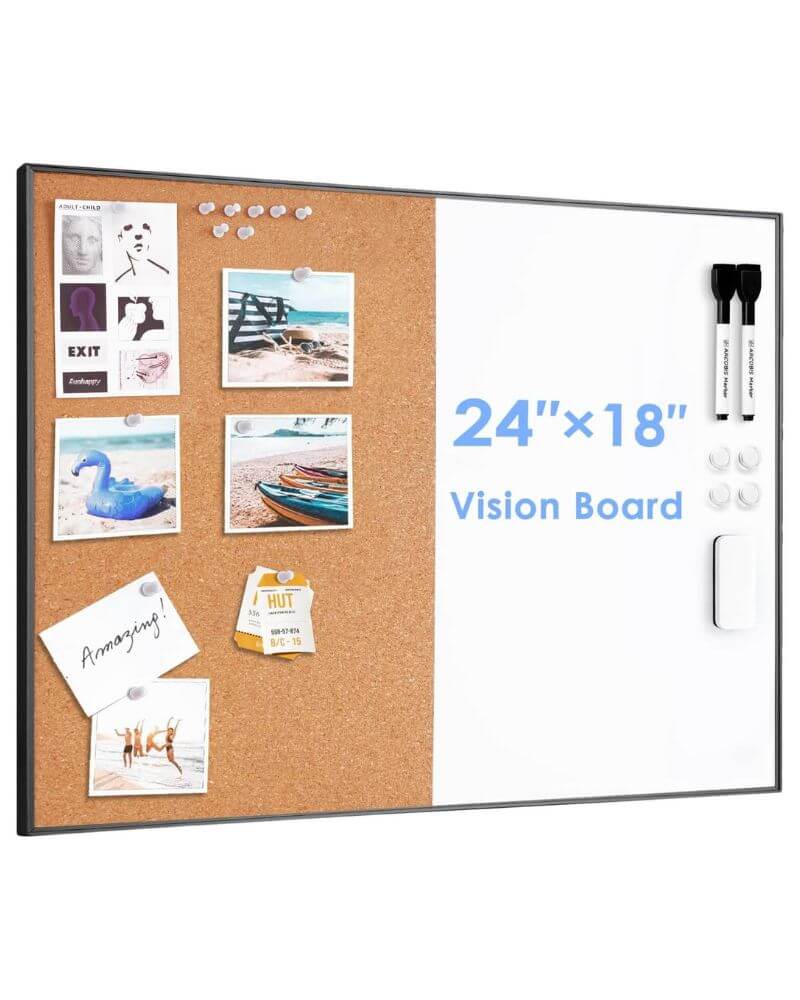
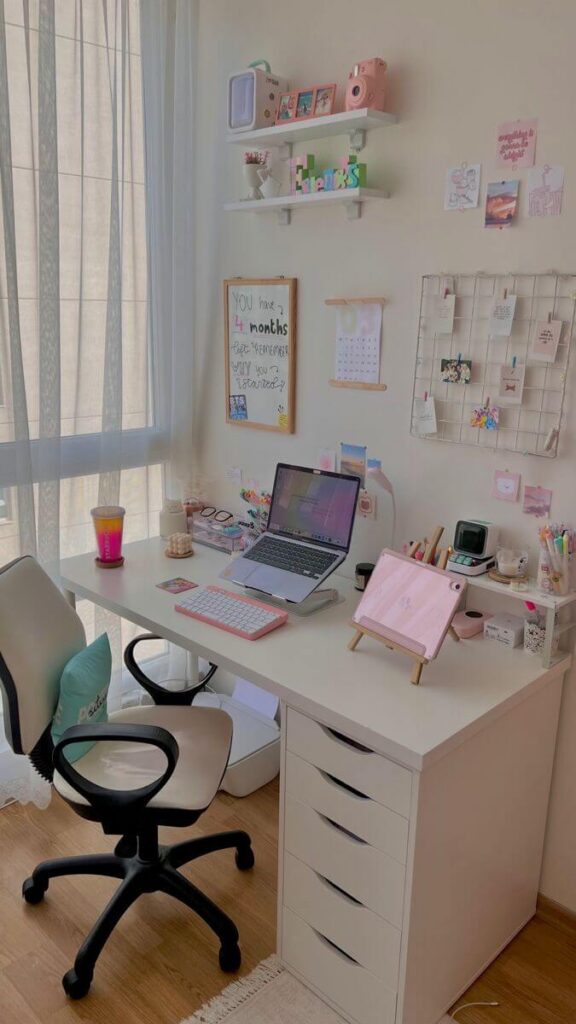
One of the simplest study room decoration ideas that makes a huge difference is adding a visual board your child can see at a glance. Whether it’s a whiteboard, cork board, or a combination, this kind of study room decor supports a calmer mind and reduces the constant back-and-forth of “What do I need to do next?”.
Clear visuals also help organize the study room interior in a way that lowers overwhelm. Kids can pin vocabulary lists, homework steps, reminders, or small goals. All visible without digging through papers. It’s a small change that creates a sense of structure and confidence, which in turn supports emotional ease during study time.
While having the right study room setup can help tremendously, sometimes study motivation just isn’t there. If you want helpful tips to support your child with this, check out this post:
Keep Study Materials Visible and Easy to Reach With a Desk Organizer
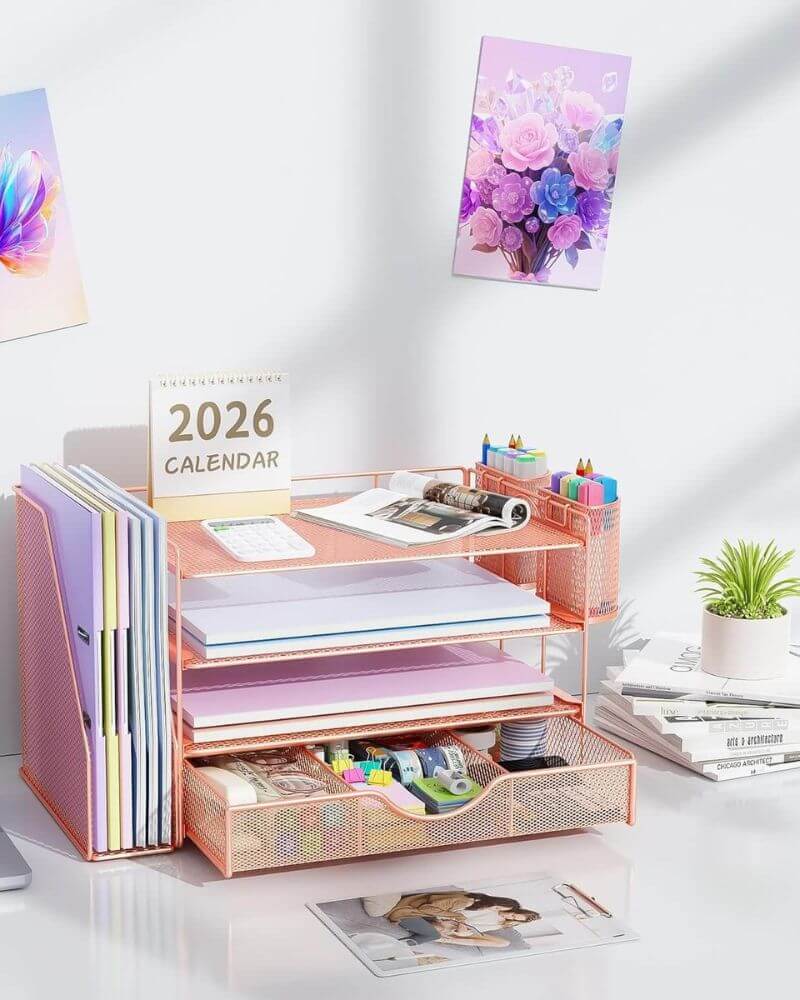
A must-have study room decor item is a simple desk organizer that keeps materials visible and easy to reach. Life gets easier when kids don’t have to dig through piles to find a notebook, flash-cards, pens, or vocabulary sheets. This is one of those study desk decor ideas that sounds almost too basic, until you see how much it reduces frustrations and loss of momentum.
For multilingual learners especially, having tools sorted and visible supports a smoother study rhythm: pens in one place, bilingual word cards in another, sticky notes ready for reminders. A clean, predictable setup helps kids stay focused and feel emotionally regulated.
Studying becomes easier because their space supports concentration instead of interrupting it every time they have to look for something.
Did I mention this is one of the easiest study room decorating ideas to keep essential tools visible and reachable?
Simple Ways to Organize Multilingual Study Materials
- A “translation” folder: keep instructions and important returning vocabulary or sentence starters etc., in their home language and language of instruction. This does require help from parents and possibly the teacher, but it will help tremendously when a folder like this exists and is regularly updated. Add tabs for each subject for easy use.
- A “new words” notebook with two columns: one side for the target language, the other for home language. It lets kids capture tricky words during homework without interrupting their flow. They can come back to it later to translate. When done together with your child, it provides an opportunity to check for understanding and have an idea of what they are working on at school.
- A current-unit file or magazine holder: keeps only the topics they’re working on right now accessible; older units stored elsewhere so the desk doesn’t feel overwhelming.
- A dedicated spot for reference materials: bilingual dictionary, phrase book, or a few home-language and school-language books near the desk. Fewer interruptions and easier to keep focused.
Decor for Study Room That Builds a Multilingual Identity


Study Wall Aesthetic: Use a World Map for Cultural Connection
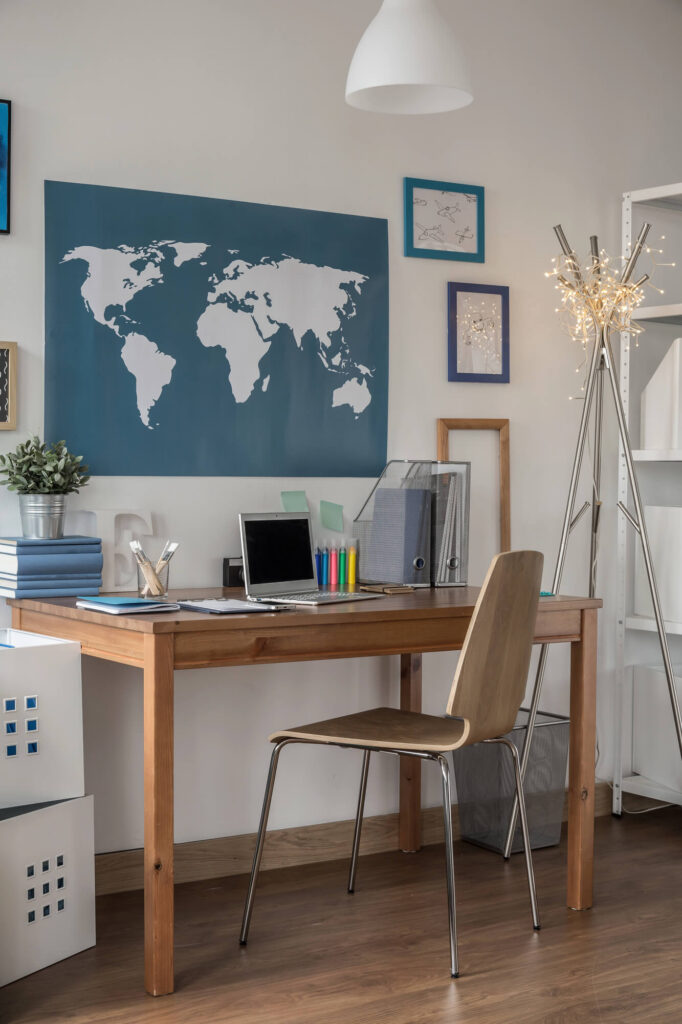
A world map is a beautiful and meaningful piece of study room interior, especially for multilingual families with international roots or experiences. As one of the simplest study room decor ideas, it helps children connect their languages, travels, family stories, and school learning to a real sense of place in the world.
Parents can point to (or put pins in the different locations!) countries tied to home language, extended family, or heritage, helping kids feel the legitimacy and value of their cultural background. This contributes to emotional grounding: children understand that learning English at school doesn’t replace their home language(s). They all have a place in the world and in their minds.
Home-Language Books as Study Room Decor
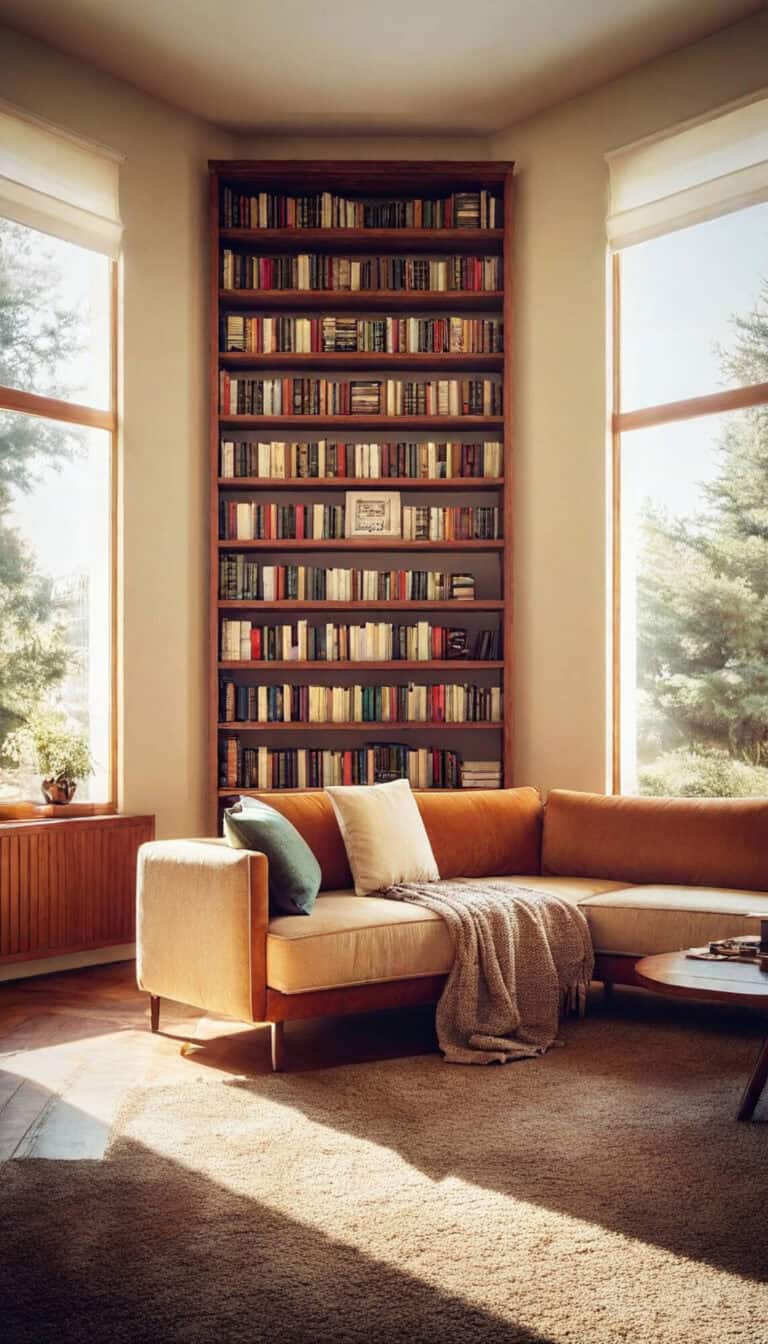
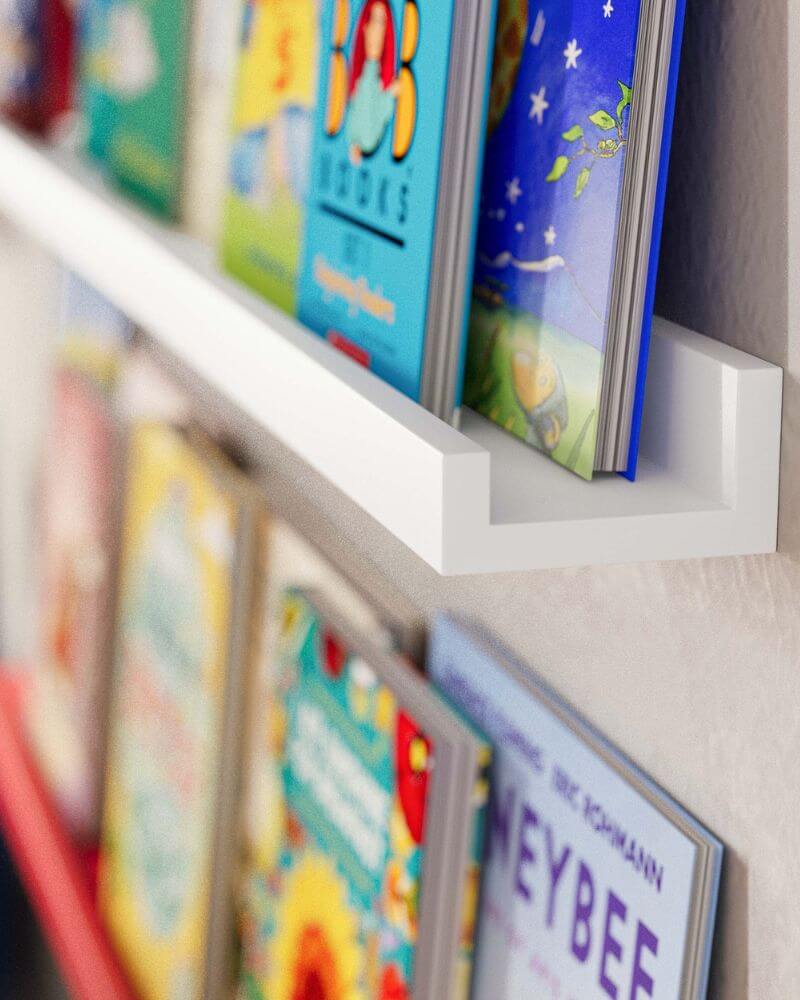
A subtle but powerful piece of study room decor is displaying home-language and school-language books side by side. Instead of tucking home-language books away in a closet (yes, this happens!), keep them visible on a front-facing shelf or simple ladder shelf. This small detail works beautifully as one of the most meaningful study room ideas for students: it shows children that all their languages belong in every day life, not just in one particular setting.
This gets to be easy and fun. Rotate in a few picture books, early readers, or graphic novels. Let books naturally reflect who your child is, culturally and linguistically. A visible shelf says, “your languages belong here”. Don’t underestimate the power of this; it can absolutely help build a sense of belonging, confidence, and identity-building.
More Aesthetic Study Room Decor: Multilingual Wall Art
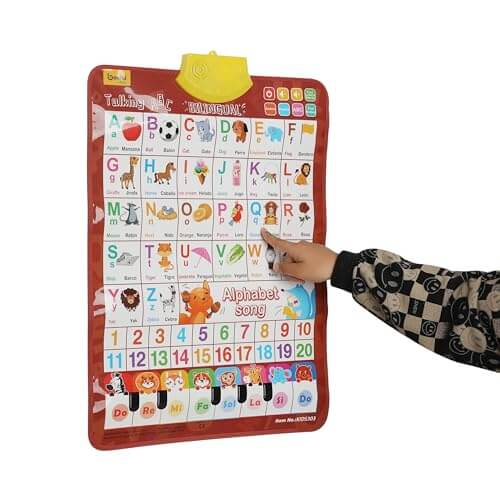
Another layer of study room decor that supports multilingual identity is choosing wall art that reflects your child’s languages. A bilingual alphabet poster or simple phrase print adds a subtle but meaningful message. It doesn’t have to look like a classroom wal. The wall art can become part of aesthetic study room decor that’s familiar and identity-affirming.
This helps children see their languages as normal tools for thinking, feeling, and learning. The key is subtlety: don’t turn the space into a “mini-school”, just let the art remind your child that their home language is welcome in intellectual spaces, not only emotional or social ones.
Small Study Room Decor Ideas


© Huuger

Use Foldable Study Room Decor for Small Spaces
One of the most effective small study room ideas is using a foldable desk. A foldable desk creates a clear “study time” atmosphere, without claiming permanent space. Open it for homework, then fold it away so the room can be used for anything else. For families who share small rooms, bedrooms, guest rooms, dining tables, or temporary living arrangements, this is a deeply useful piece of small study room decor.
The key is consistency: even if the desk folds away, try to use the same spot and the same routine most days. A lamp, a basket of supplies, and a simple starting ritual (e.g. notebook, pencil, water) helps kids get into the work mindset quickly. Even if the space is small or multifunctional. Routines like this signal the brain: “now we focus”.
Efficiently Use an Organizer Cart for a Small Study Area
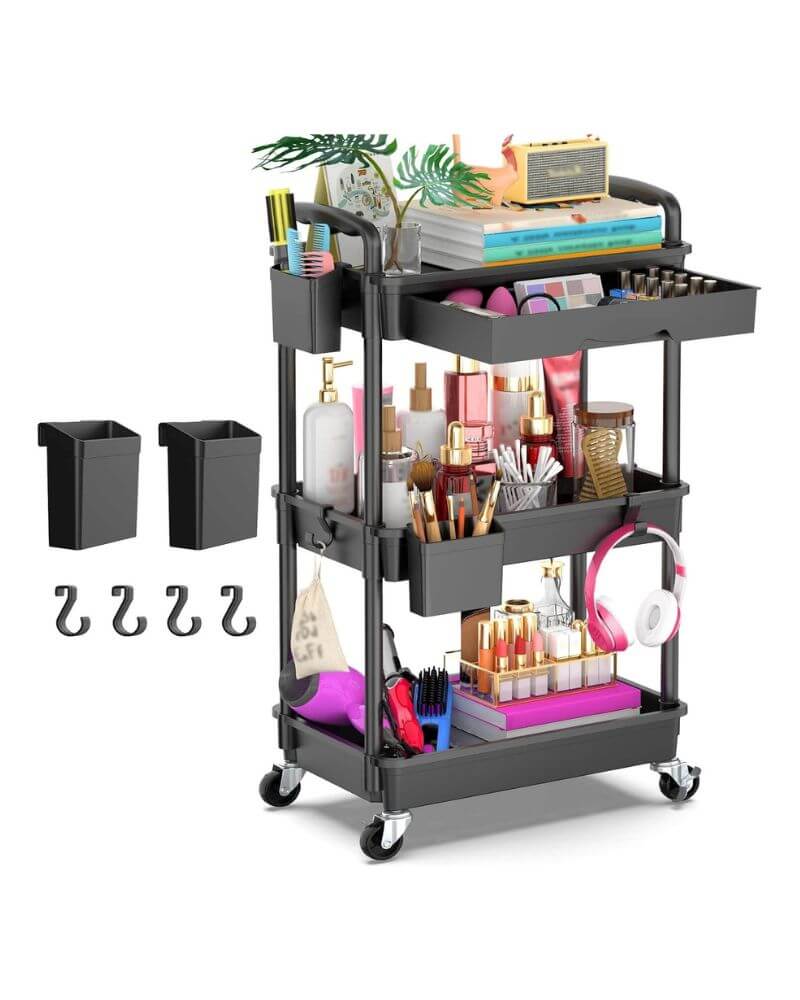
A multiple tier rolling cart is a surprisingly effective piece of small study room decor because it keeps all study materials together. Clutter helps no one. As one of the most practical study room ideas for students, the cart gives every item a home: pencils, notebooks, scissors, sticky notes, timers, or a vocabulary notebook if relevant. When materials live in a predictable place, kids don’t lose momentum searching for supplies, and parents aren’t managing constant micro-distractions.
The magic is in the wheels. Roll the cart out during homework, roll it away afterward. This keeps the desk visually light and calm, which is very useful in small spaces. Less visual noise = easier focus.
A multiple-tier cart is one of the most practical home study room ideas, because it keeps everything where it belongs.
Study Desk Decor Ideas: A Foldable Desk Lamp For a Tiny Study Room
A foldable desk lamp is compact and therefore one of the simplest study room decoration ideas. A good lamp is free from blue light and caring for the eyes. Having a comfortable light and well-lit space supports focus. As compact study room decor, a lamp is both practical and emotional: it signals intention to sit down and study, and it adds a cozy sense of routine to homework.
Soft, warm light keeps the nervous system calmer than harsh overhead lighting, especially in the evenings when attention is lower. Let’s not mess with our circadian rhythm and sleep!
If kids need to create a study room setup at the kitchen table or in a shared bedroom, a portable lamp makes the environment suddenly feel like their study nook: this is where I learn for the next hour.
And if you want to create a bit more of a cozy vibe with study desk decor, you can always add a cute plant! Plenty of benefits too with that one.
Study Room Decor Ideas DIY
DIY Study Space Ideas: Create Simple DIY Charts and Labels for Your Family’s Languages
Sometimes we need study room decor ideas DIY style, especially since there’s such a variety of languages in each of our homes. Research on dual-language learners shows that print-rich environments — where words, labels, and visual cues are visible — help build biliteracy and vocabulary in both home language and school language.
When children regularly see written words for everyday objects or school subjects, they learn to connect meaning, spelling, and context more naturally. This reduces cognitive load, especially when already switching between languages during homework.
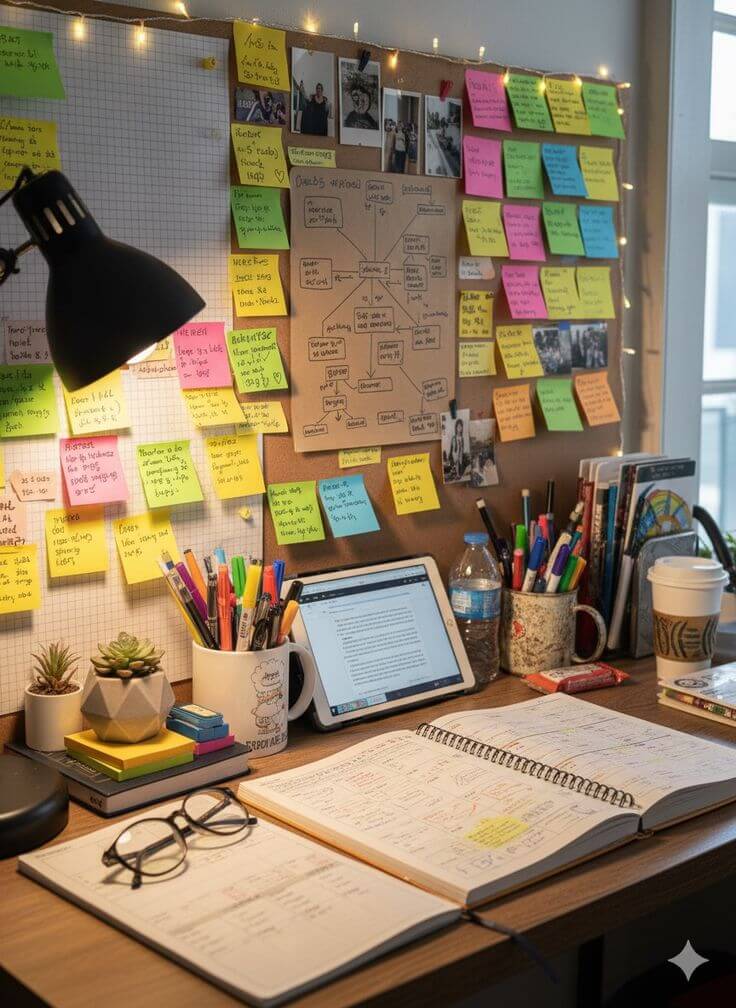
For these particular study space ideas, you don’t need teaching experience. A whiteboard or an empty spot on the wall is enough. Choose a few useful words from homework each week and write them in both languages. No more than three to five at a time. We’re not trying to create a “classroom wall,” but just make learning predictable and visible.
When multilingual kids see their languages in their study space, studying becomes less about constant translation. It supports understanding of instructions and makes life a little easier.
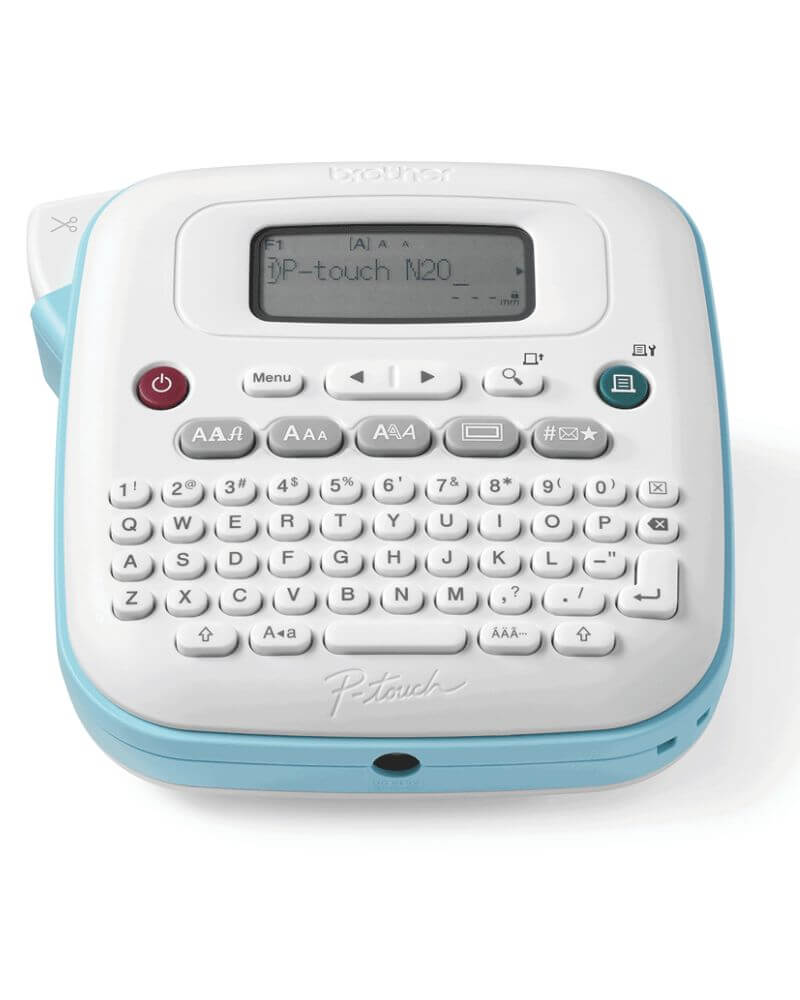
A label maker is optional but incredibly helpful for keeping drawers, folders, baskets, and whatnot, labeled in all languages. Especially for tools they use in the classroom, building this vocabulary is super helpful (e.g. drawer, computer, subject names on each corresponding folder, etc.).
I’m learning Portuguese and a friend of mine labeled my door, broom, oven, power outlet, etc. It’s been super helpful!
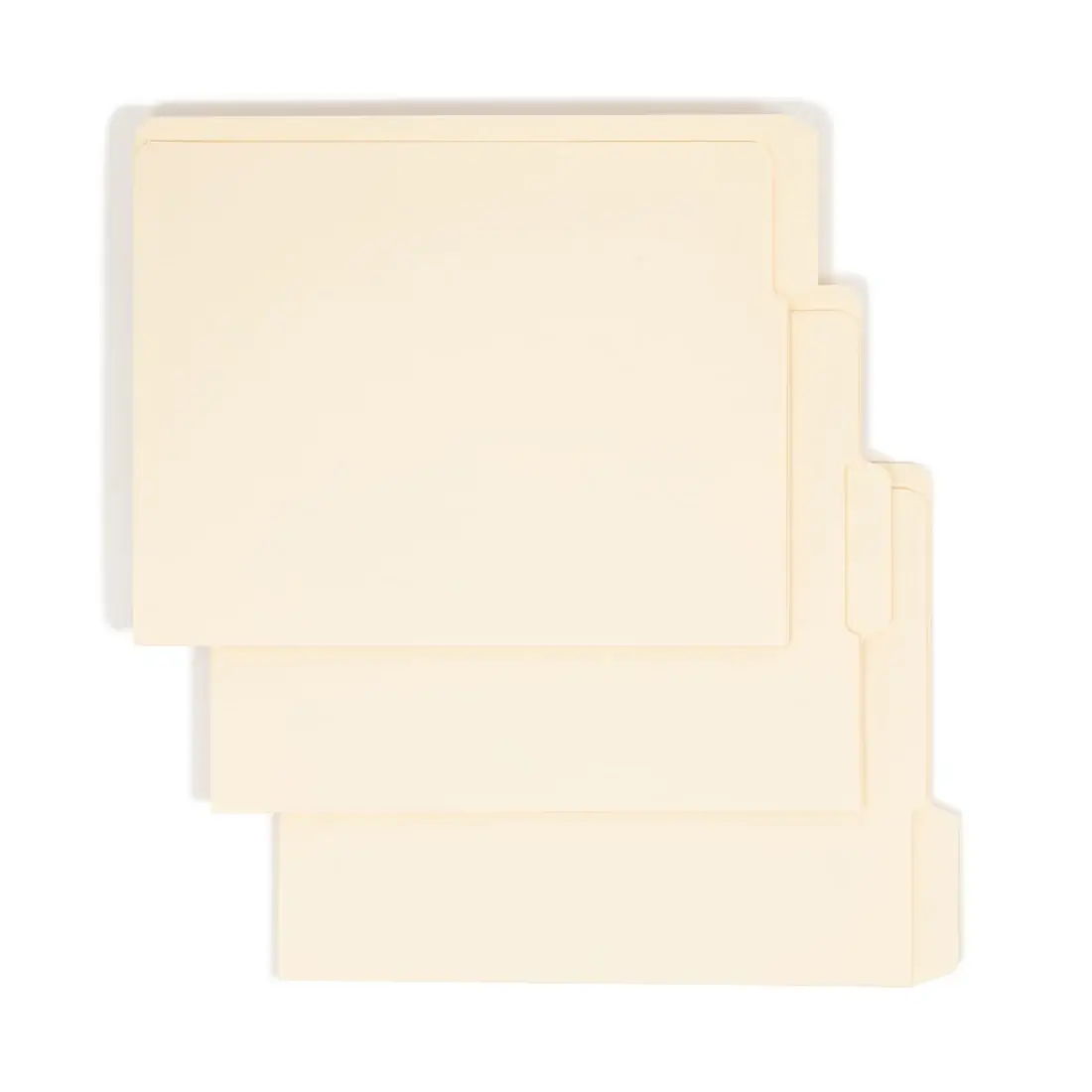
A few neutral file folders are perfect for separating materials without creating visual clutter. Especially when labeled, this makes learning materials easily accessible and prevents kids from having to look through and translate all of their loose papers and notes. This also makes it easier to keep related vocabulary sheets for each subject where they belong.
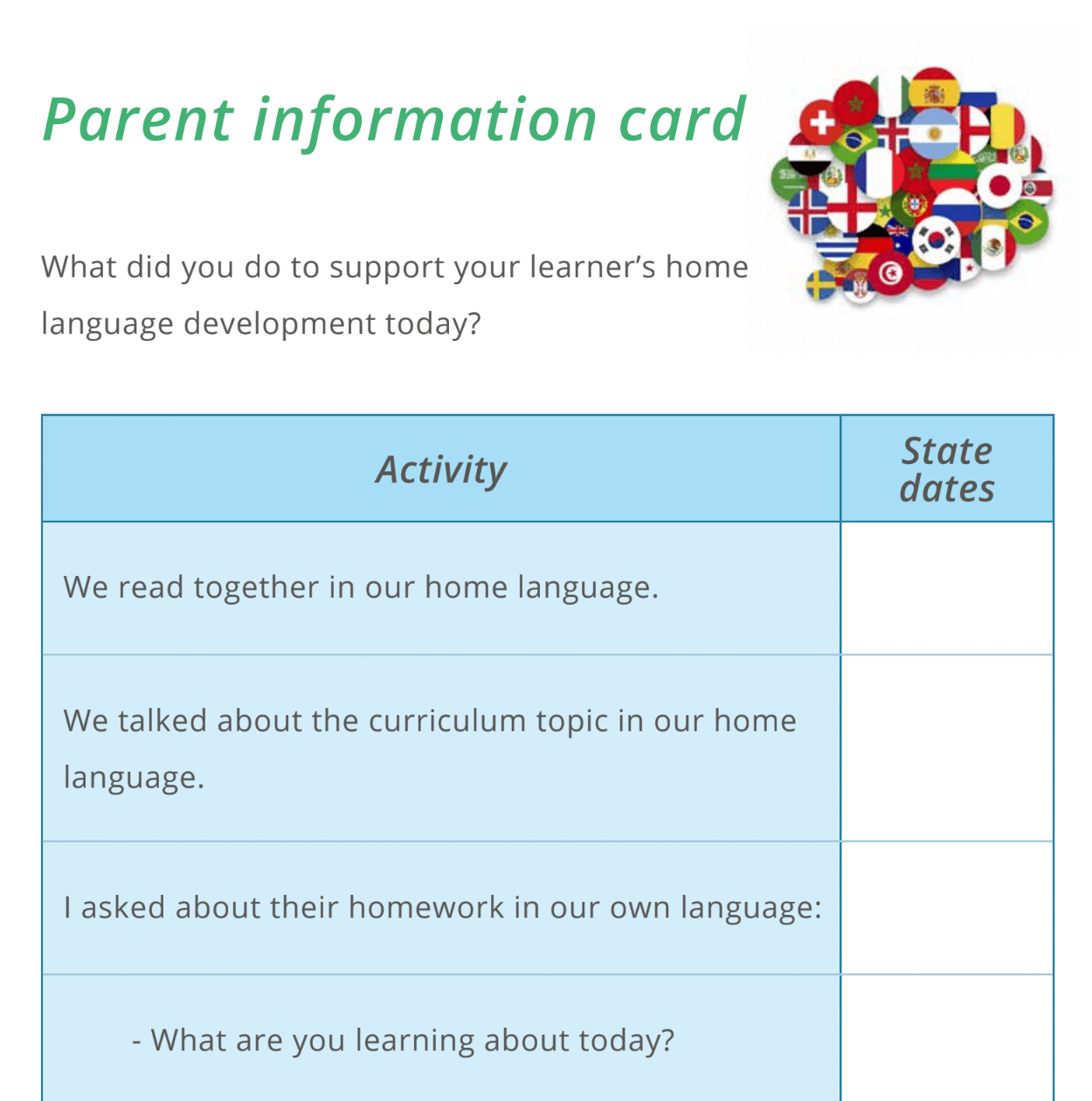
One of the simple printable tools I like to support home language development at home is the Parent Information Card from Learning Village. Another organization that I admire is the Bilingual Families Foundation. They share thoughtful articles and materials for professionals and families raising children in more than one language.
In short, however you decide to create your study room decor DIY style: what matters most is that multilingual children feel their languages belong in the space where learning happens. Visibility builds confidence, and confidence makes studying easier.
Why A Good Study Room Setup Matters for Multilingual Kids
Many multilingual families wonder what their child actually needs in a study space, and it often starts with a simple but powerful question: “What should a study room have for kids?”. The answer is different when your child is thinking, learning, and switching between more than one language.
Thoughtful study room decor can ease the mental load multilingual kids feel when they constantly move between their home language(s) and the school’s language of instruction.
A space that’s calm, organized, and visually supportive helps them access vocabulary faster, reduce translation fatigue, and stay focused longer. Because their environment finally works in favor of their multilingual minds.
When your child feels supported in their languages and identity, learning becomes lighter, clearer, and far less overwhelming.
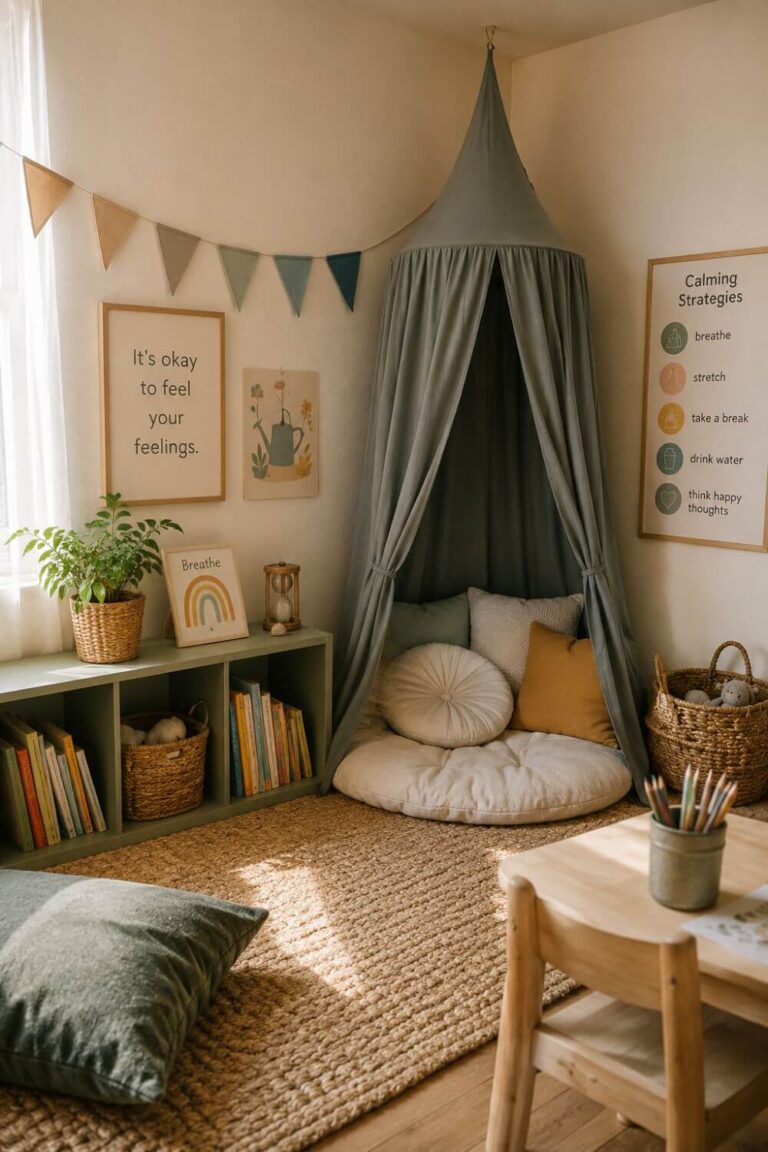
Sometimes children need a calming space at home to regulate their emotions and calm down before or after learning. This post has some great ideas for easy calm corner setups:
How Study Room Decor Supports Focus, Emotional Regulation, and Learning
Parents often ask, “How do I design a study room for better focus?” or “How do I create a calm study environment for kids?”. Especially when their child is balancing more than one language at home.
The truth is, the right study room decor can support how your multilingual child processes information and regulates emotions as they move between languages.
Simple study room decoration ideas like clear shelving, predictable layouts, and uncluttered desks reduce visual overwhelm. This is extra important when kids are switching between vocabularies and already have an extra cognitive load to deal with.
Calm color choices and intentional aesthetic study room decor help balance the nervous system, making it easier to access words and complete tasks.
Even small spaces benefit. Thoughtful small study room decor (like wall-mounted organizers or a corner desk) creates a contained, clutter-free “language zone”.
And whether your home leans minimalist or cozy, the goal is the same: an aesthetic study room and supportive study room interior that lowers cognitive load so your child can focus on learning, not constant translation.
FAQ About Study Room Decor for Multilingual Learners
Families often have the same questions when it comes to study room decor and multilingual kids: How much does the environment really matter? Is it okay to use our home language during homework? And do we need special materials to support our kids?
These FAQs bring together research-backed answers and hopefully some real-life reassurance, so you can make confident choices without putting your home languages and culture in the backseat.
Research on effective learning environments shows that a clutter-free desk, good lighting, and a calm colour palette all support attention and reduce mental fatigue. For multilingual kids, it’s especially helpful when study room decor is simple and predictable: a clear work surface, a comfortable chair, a small lamp, and only the materials needed for that task. Labeled items and organization tips as discussed in this post are supportive too. Visual supports like a world map or a bilingual word chart can stay on the wall, but try to avoid crowding the space with too many posters or trinkets. Think: few, clear, meaningful items instead of “busy” decor.
Studies and expert guidance for bilingual families consistently say that using your home language to discuss ideas, explain concepts, and check understanding is a STRENGTH.
You can:
– talk through the task in your strongest language,
– help your child plan what to do first,
– ask them to retell what they learned,
– support vocabulary by keeping a “new words” notebook with both languages.
You don’t have to correct every grammar mistake in the school language; teachers handle that. Your role at home is to keep thinking and emotional support flowing, and your home language is a powerful tool for that.
Current research and professional guidelines are clear: raising a child with two or more languages does not confuse them or damage their development. Some bilingual children may mix languages or have different vocabularies in each language for a while, but this is a normal part of multilingual development. Using your home language during homework can actually deepen understanding of the topic, support emotional regulation, and help children feel safe enough to keep trying. Which in turn helps their school language too. The key is regular exposure to both languages in meaningful ways, NOT avoiding the home language.
Final Thoughts on Study Room Decor for Multilingual Families
Thoughtful study room decor makes learning lighter for multilingual kids. Simple choices like a predictable desk setup, visible vocabulary, and uncluttered small study room decor all reduce mental load. Children can then focus on understanding rather than constant translation. These study room ideas for students don’t require a big budget or teacher training. A few simple tools to support clarity, and especially feeling that all of them is welcome and even celebrated, that makes all the difference.
At the heart of these decor for study room ideas is belonging. Children feel that their identity fits in the learning space when home languages show up through books, bilingual visuals, simple DIY labels, and in conversations with you parents. And when kids feel seen, studying becomes calmer, and they’ll feel more confident. Not because the work gets easier, but because the environment supports their multilingual mind.