Looking for books for expats that really and truly get it? Not the generic parenting shelf stuff, the real ones. For parents, teachers, counsellors, third culture kids…This list has you covered.
I earn commissions when you shop through the links below at no additional cost to you. As an Amazon Associate I earn from qualifying purchases.
I sometimes include Amazon links because I know ease and accessibility matter—especially for busy parents and teachers—but I’m also working on adding more options from smaller or values-aligned businesses. I’ll keep updating this post as those become available.
Finding books about expat life that go beyond surface-level advice takes a while. Whether you’re a parent raising third culture kids, an adult TCK still untangling where home actually is (good luck with that one), an international school teacher, or a counsellor supporting globally mobile families…the reading list looks very different from anything you’d find at a standard bookshop.
In this post, I’ve put together 21 of the best books for expats that I genuinely love. Books that explain the third culture kids experience with real depth. From the foundational texts every expat parent should know to picture books that help young expat kids feel a little less like the new kid again.
You’ll also find books for adult TCKs processing identity and grief, recommended books for therapists working with globally mobile clients, and resources for international school counsellors and teachers.
This post is all about books for expats. The ones actually worth your time.
Books About Expat Life for Parents Raising Third Culture Kids
Books about expat life for parents broadly fall into two types: the ones that help you understand your child, and the ones that help you make better practical decisions for them. The ones in this section do both. Some are essential reading before you even get on the plane, and a few you’ll wish someone had handed you years ago. Let’s get to it!
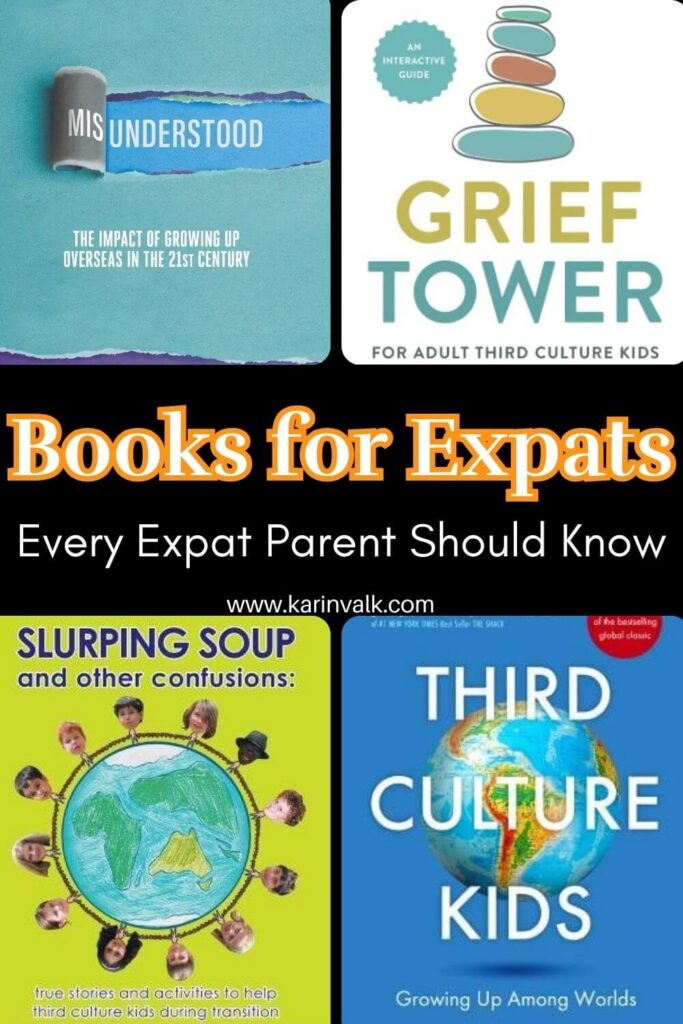
1. Third Culture Kids Book Summary: What Growing Up Among Worlds is All About
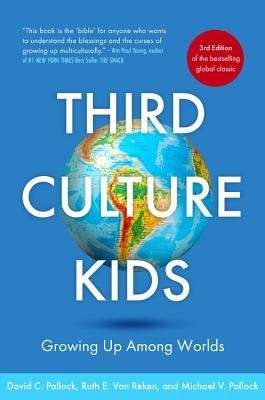
The Third Culture Kids book summary you’ll find floating around online (or through AI) doesn’t do this one justice. This is THE foundational text, and it genuinely changed how the international school world understands globally mobile children.
Written by David Pollock, Ruth Van Reken, and (in the third edition) Michael Pollock, it maps out what it means to grow up between cultures, what the lasting impacts can be, what children and families need to navigate that experience well, and more.
If you read nothing else on this list, read this one. It explains the patterns behind things you’ve probably already noticed in your child: the quick friendships, the emotional distancing before each move, the “where are you from?” identity freeze, and the grief that doesn’t quite have a name. And really so much more.
The third edition (2017) updated the research and expanded the framework to include Cross-Cultural Kids (CCKs) as well.
2. Misunderstood by Tanya Crossman: A Landmark in Books for Expat Parents
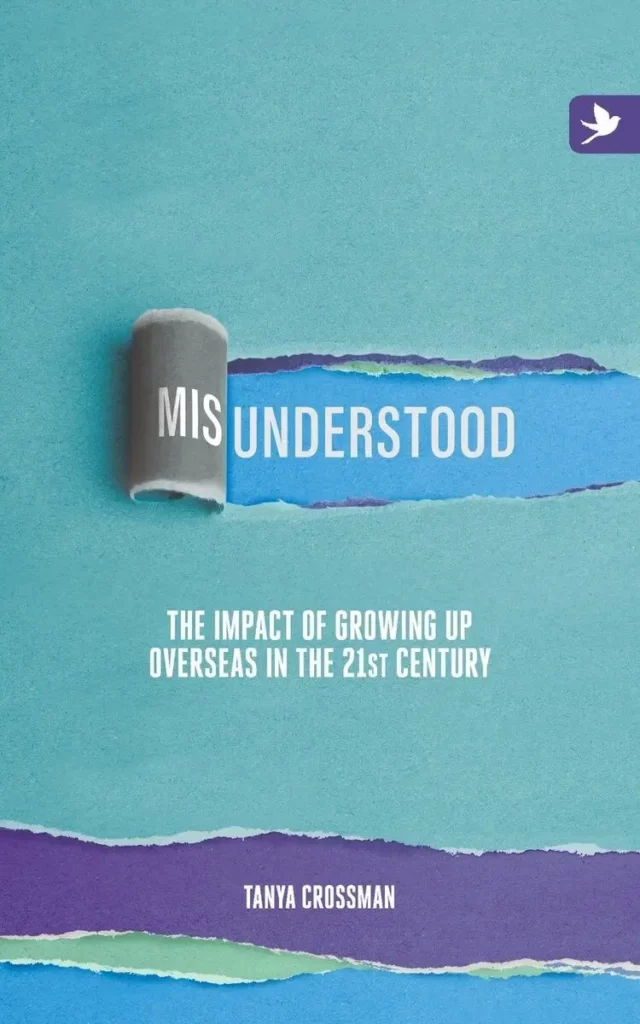
Misunderstood is one of the most widely read books for expat parents trying to understand what their children are actually experiencing, and with good reason. Tanya Crossman spent a decade working with TCKs in Asia and surveyed 744 TCKs from around the world to write it, so this is not armchair research.
What makes it stand out in expat parenting books is the perspective: it’s written to translate the TCK experience for the people who love them. Parents, teachers, counsellors, and youth workers trying to support a globally mobile child will find something here that makes them stop and think. Likely several things!
If you want something to do alongside the reading, 9 ways to create a sense of belonging gives you concrete things to try this week.
Related post: 9 Ways to Create a Sense of Belonging Anywhere
3. The Best Raising Third Culture Kids Book for Proactive Expat Parents

Lauren Wells has become one of the most trusted voices in the TCK world, and Raising Up a Generation of Healthy Third Culture Kids is her raising third culture kids book for parents who want to get ahead of the hard stuff.
Where some books only describe what TCK life looks like, this one also tells you what to actually DO about it. With practical frameworks for supporting your child through international moves, repeated goodbyes, an unclear sense of home, and transition grief that doesn’t necessarily look like grief.
Wells writes as someone who is both a TCK herself and a professional who has worked with hundreds of expat kids. This is a book for parents of internationally mobile children who want real, useful tools.
4. Raising Global Nomads: Top of the List for Books for Parents Raising Expat Children
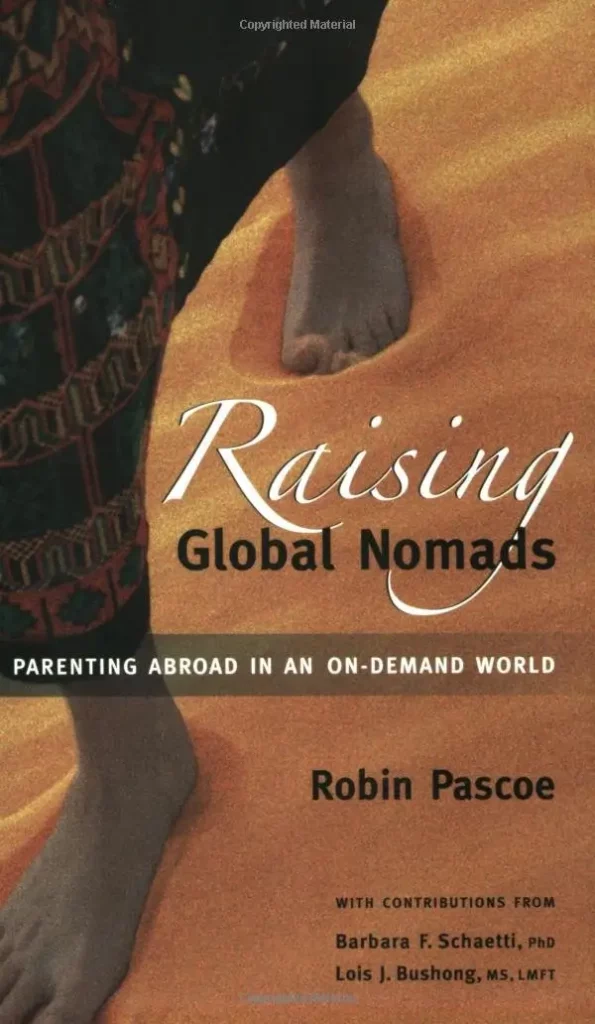
Raising Global Nomads sits near the top of the list for books for parents raising expat children because Robin Pascoe writes from inside the experience as both an expat parent herself and someone who spent years listening to internationally mobile families.
The book covers the full picture: culture shock, the digital world’s impact on expat kids, marriage under expat pressures, and what Pascoe calls the “on-demand world” that today’s globally mobile childhood plays out in.
The repatriation chapter is particularly worth reading. Moving countries with children gets most of the attention, but going “home” is often the harder adjustment. Pascoe addresses it with the honesty it deserves.
5. The Globally Mobile Family’s Guide to Educating Children Overseas: A Standout in Books for Global Families
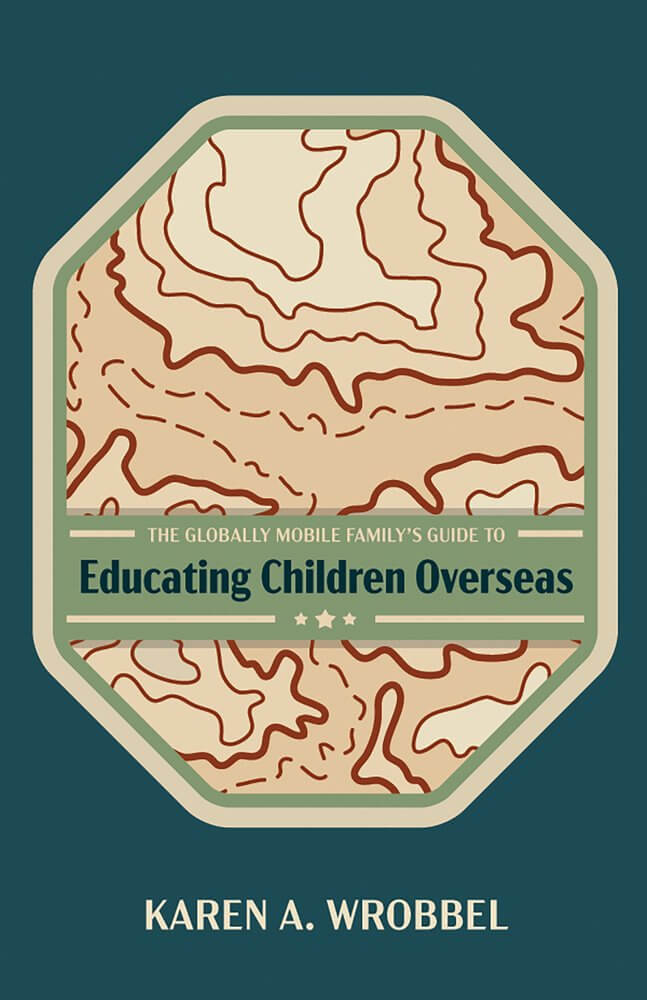
Few books for global families tackle education abroad with this level of practical depth. Karen Wrobbel spent twenty years as an expat parent in Spain, Venezuela, and Costa Rica. She worked as a teacher, administrator, and education coordinator along the way, so The Globally Mobile Family’s Guide to Educating Children Overseas is built on both lived experience and serious research.
It walks you through every schooling option available to expat children: international schools, local schools, home education, and boarding schools. Including honest pros, cons, and questions to consider.
There’s also a chapter on special educational needs and one on transitions between options. Which gets very useful when you’re changing host country mid-school year.
For families with children raised abroad across multiple countries and school systems, this is the reference book they’ll come back to.
If you’re considering moving mid-school year, you might want to read about the impact it can have on your family and kids specifically:
6. The Grief Tower: One of the Best Books About Expat Life for Naming Invisible Loss

The Grief Tower earns its place among the best books about expat life precisely because it addresses something almost all parenting books skip entirely: the way unresolved grief accumulates in children growing up abroad.
Lauren Wells ( a TCK herself) writes that expat children experience a cascade of losses at every transition: friends, schools, teachers, the street they knew, the language they were just getting comfortable in. Those losses stack. That’s the grief tower.
This 84-page guide walks you through how to help your child actually process it. Chapter by chapter, with questions and activities you can work through together.
What makes it stand out among third culture kids books is its honest naming of disenfranchised grief.
I think this term fits the international school community in many ways: “Disenfranchised grief is a type of grief that is not openly acknowledged, validated, or supported by society, often leaving individuals feeling isolated, ashamed, or misunderstood.”
The kind of grief no one validates because nothing “bad” happened — you just moved again. They shouldn’t complain, they’re lucky to go on an adventure, right?
Expat children are often told to be excited, resilient, grateful. This book gives you a different framework: one that makes saying goodbye a real event worth processing, and leaving well something your family can actually do.
For books for expats that dare to sit with the hard parts rather than rushing past them. This is one of the most important on this list (Wells also wrote Unstacking Your Grief Tower for adult TCKs — keep reading).
Books About Moving Abroad for Kids and Teens
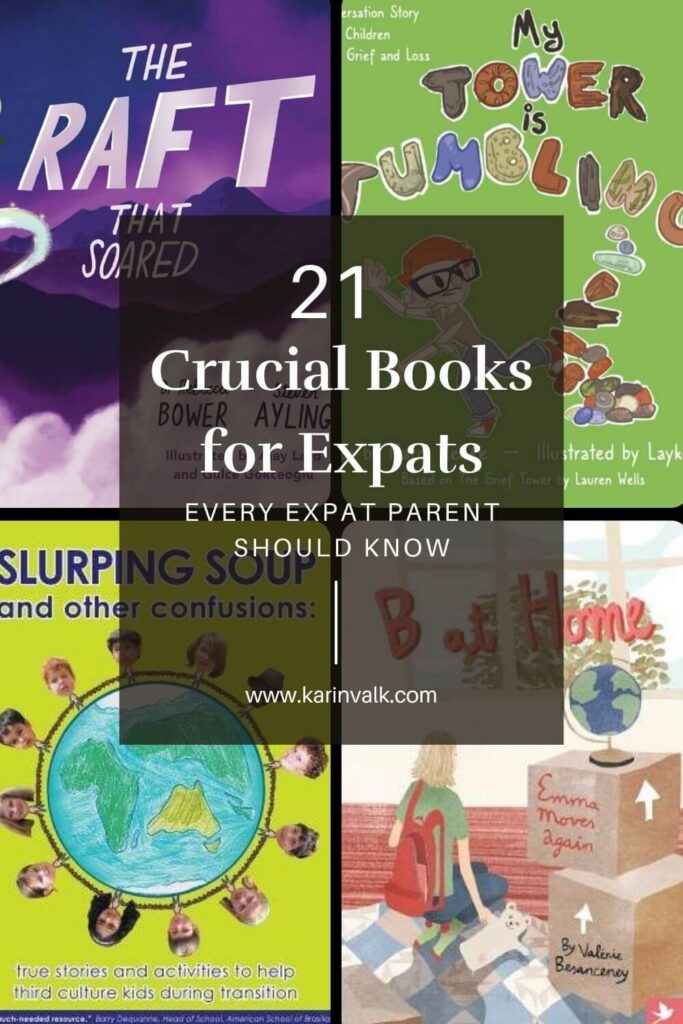
The books about moving abroad in this section are written for the children and teenagers living this experience, not just for the parents trying to understand it from the outside.
Whether you’re looking for a picture book that names a new school’s strangeness, a third culture children book that covers the harder feelings, or a guide for the teenager staring down yet another international transition, you’ll find it here.
A few of these are also great as read-alouds. Worth knowing if you have a child who processes better through story than through conversation (most expat children do, in case you were wondering if it’s just yours. Stories just make it real and alive).
7. B at Home: Emma Moves Again: For Kids Who Know Making Friends Abroad Is Harder Than It Sounds

Making friends abroad when you’re ten and everyone else already has their group, that’s exactly what B at Home: Emma Moves Again is about, and Valérie Besanceney gets it right.
The story follows Emma through an international move driven by her father’s work. Alternating between Emma’s raw, often messy perspective and that of her trusty teddy bear B (who, honestly, has the better handle on the situation).
It’s a clever format that creates room for both the hard feelings and the practical wisdom. Discussion questions at the back make it a great read for international kids to work through with a parent or school counsellor.
Besanceney is a TCK, parent, and teacher herself, and it shows. There’s no false reassurance about settling into a new country. Emma’s experience is allowed to be as complicated as it actually is.
Among books for expat kids in the 9–13 range, this is one of the most readable and emotionally honest. And one of the few that works equally well as a parent-child read-aloud or as a solo read for a child ready to process on their own terms.
If the move is coming up soon and you want something concrete for the flight itself, this airplane activity kit was made for exactly that time.
8. The Raft That Soared: One of the Loveliest Books About International Childhood for Young Movers
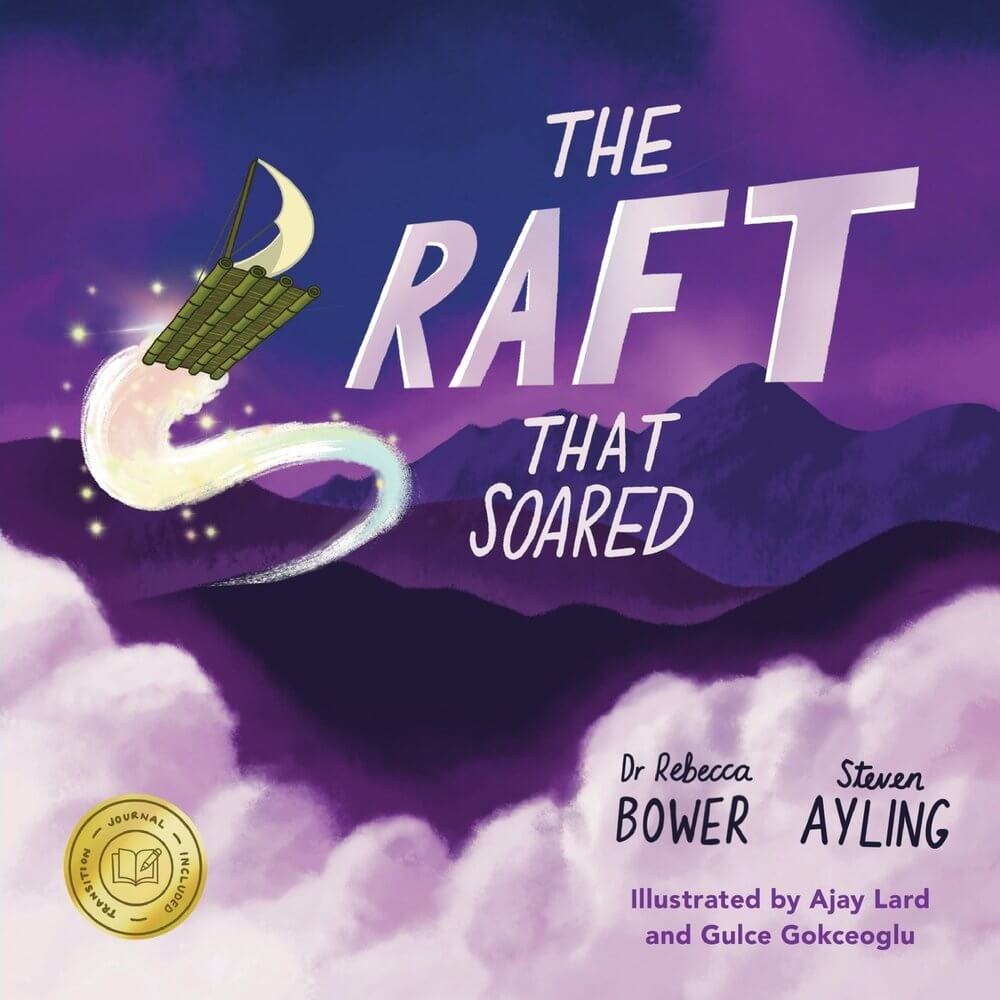
Useful books about international childhood should be about the experience, accompanying emotions and how to deal with them, and that’s exactly what The Raft that Soared does.
Dr. Rebecca Bower and Steven Ayling, who work with international school families, wrote this for children facing a big move. It shows in how the book describes both the excitement and the dread that often come with it.
The illustrations are genuinely beautiful, and the journal activities at the back give international school children somewhere to put what they’re feeling. Talking about useful picture books!
The title is clearly chosen with intention: the book is built around the RAFT transition model from Pollock and Van Reken’s Third Culture Kids. It’s very effective and well-known in international school care, which means the journal activities aren’t just a nice touch; they’re doing structured transition work. Winning!
It’s one of the better books for expats with young children preparing for a move. Read it in the weeks before you arrive, and you’ll get a lot more out of those journal pages than you would in retrospect. Arriving well starts before you land.
9. My Tower Is Tumbling! is One of the Books About Belonging That Works for the Youngest Expat Kids

My Tower Is Tumbling! absolutely earns its place among books about belonging because it does something rare for a picture book: it makes grief visible, and it makes it okay.
This is the natural companion to Lauren Wells’s The Grief Tower, but written for the children themselves. Author Marci Renée is a global nomad who has lived across four countries and traveled to more than thirty, which shows in her writing.
She follows Pierre as his rock collection grows heavier with every international move, each rock carrying a story of loss. When the tower finally tumbles, the processing begins.
The conversation starter format (there’s also a faith-based edition if that fits your family) makes this one of the more practical Third Culture Kid books for younger children. It works best with an adult alongside rather than as a solo read, and the activities give international school students and their parents a real structure for the conversation. Clearly well thought through!
For families building a books about identity and belonging shelf across different age groups, this is the one for your youngest.
10. Slurping Soup and Other Confusions: Global and Cultural Awareness Books Don’t Get More Honest Than This
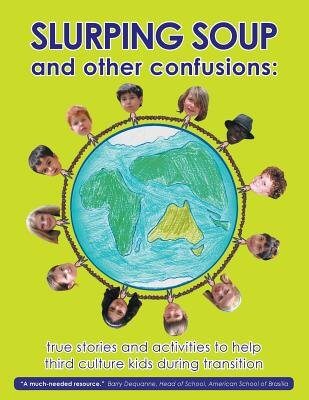
Global and cultural awareness books often explain culture to children from the outside. This one lets children explain it to each other.
Slurping Soup and Other Confusions is a collection of 23 real stories from TCKs about the small, confusing, sometimes funny, sometimes lonely moments of navigating life between cultures. Each story is paired with an activity for ages 3–12, covering friendship changes, cultural differences, and what “home” even means for kids growing up internationally.
What makes it stand out from most books for third culture kids is that the voices are the children’s own. It’s not a grownup explaining the TCK experience to a child, it’s children recognising themselves in each other’s stories. Clinicians and international school teachers have praised exactly this, noting it as one of the more useful books about cultural identity that actually speaks at a child’s level.
Worth having alongside other books about growing up abroad, but this is the one written in children’s own words. And who doesn’t remember a good story, especially when it hits so close to “home”?
11. Expat Teens Talk: One of the Few Books About Living Between Cultures Written Directly for Teens

Books about living between cultures for teenagers are genuinely rare. This is one of the very few that goes straight to the teens themselves rather than routing everything through the parents.
Written by psychologist Dr. Lisa Pittman and educational therapist Diana Smit, Expat Teens Talk is one of the few books about expats that centres teenagers’ own voices. Built on real conversations about the full range of what they face: mixed feelings about expat life, the pain of leaving, friendships that don’t survive time zones, the question of which home country even counts as home anymore, fitting in, repatriation, and looking back on a childhood that kept moving.
One thing to know before you hand it over: some readers find the advice leans toward the reassuring end, “it will be okay” rather than sitting with how hard it actually is. For teens who need their feelings fully acknowledged before any solution is offered (and many expat teens do), this can land as bypassing.
That doesn’t make it a bad book, but a book worth reading alongside a conversation. Ask your teen what they think of the advice. Ask them if it feels true. Ask them where it doesn’t. The parts where they disagree are often where the most useful conversations begin.
As a normalising resource — a way for a teenager to see that what they’re feeling is shared by kids all over the world — it’s a great option.
12. The Global Nomad’s Guide to University Transition: Books About Rootlessness for Older Teens

Books about rootlessness tend to focus on the childhood years. The Global Nomad’s Guide to University Transition discusses what happens when the globally mobile teenager leaves for university and realises the hardest transition yet is just beginning.
Tina Quick is an adult TCK herself (grew up in Turkey and Japan, later raised three TCK daughters across Pakistan, Kenya, and Switzerland), and she wrote this for global nomads heading into university life. Particularly those moving back to a passport country that feels anything but familiar.
The 2nd edition (2022) brought in contributions from Lauren Wells and Lois Bushong, both of whom feature elsewhere in this post.
The book covers TCK identity development, re-entry shock, unresolved grief, and the very specific experience of arriving at a university full of domestic peers who’ve never had to explain where they’re from. A great read when looking for books about feeling like you don’t belong!
There’s also a section for parents and high school counsellors, useful if you want to prepare your teenager before they leave rather than troubleshoot afterwards.
For families approaching that transition, have this on the shelf well before the acceptance letter arrives.
Books for Adult Third Culture Kids: Making Sense of a Globally Mobile Childhood
The books for adult Third Culture Kids in this section are for the TCK who has made it to adulthood, and is looking for answers around what shaped them to be the person they are today.
These adult Third Culture Kid books address what most mainstream self-help misses: the rootlessness, the multicultural upbringing that left you at home everywhere and nowhere, the grief from an international childhood that was never truly named, and of course the beautiful things too.
Some are memoirs, some are practical guides, some are collections. All of them take adult TCK identity and belonging seriously.
13. Letters Never Sent: Ruth Van Reken on Adult TCK Unresolved Grief
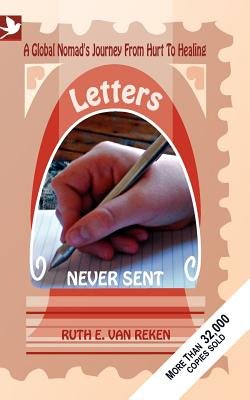
Adult TCK unresolved grief has a name, and Ruth Van Reken is one of the reasons it does. Letters Never Sent: A Global Nomad’s Journey from Hurt to Healing was written as a series of letters to her parents and to God. This memoir traces her TCK childhood in Nigeria and the depression she finally connected, at age 39, to losses she’d never been allowed to grieve.
If you’ve read Third Culture Kids: Growing Up Among Worlds (also co-authored by Van Reken), this is the personal story behind the research: raw, honest, and one of the most important books for adult TCKs on this list.
14. Unstacking Your Grief Tower: The Adult TCK Therapy Companion You Didn’t Know You Needed

If The Grief Tower is for parents helping their children, Unstacking Your Grief Tower is for the adult TCK who realises the grief tower analogy describes them.
Lauren Wells wrote this one as a practical adult TCK therapy companion: structured exercises for working through the accumulated losses of a cross-cultural childhood, at a pace that suits the adult doing the unpacking.
Shorter than most books on this list and more workbook than memoir. Best used alongside adult TCK resources such as a therapist or counsellor who understands the TCK experience.
15. Belonging Beyond Borders: For the Adult TCK Belonging Question That Never Goes Away
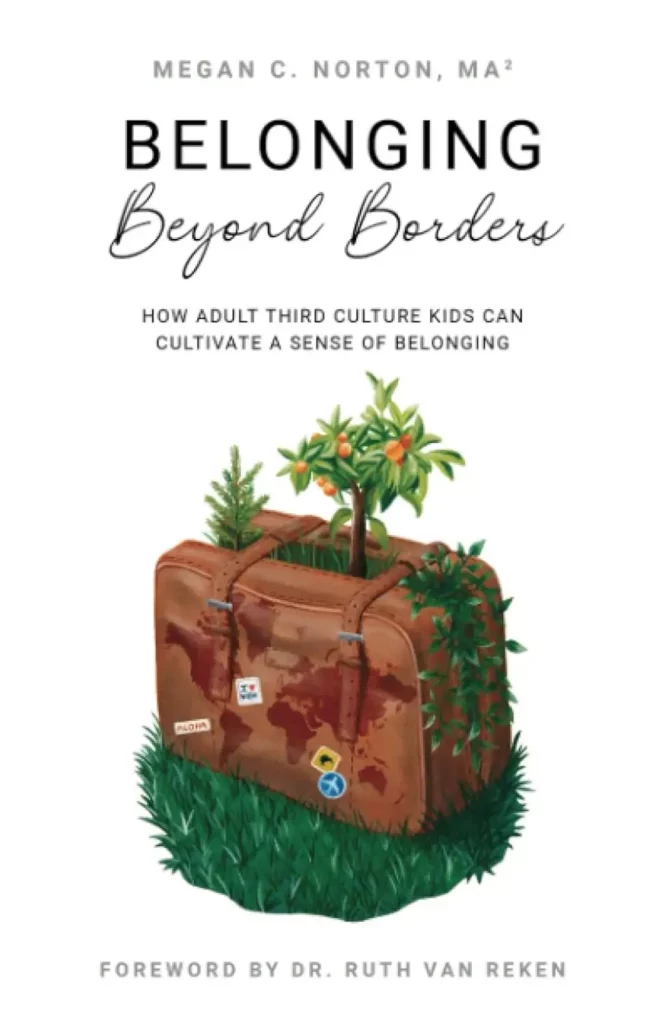
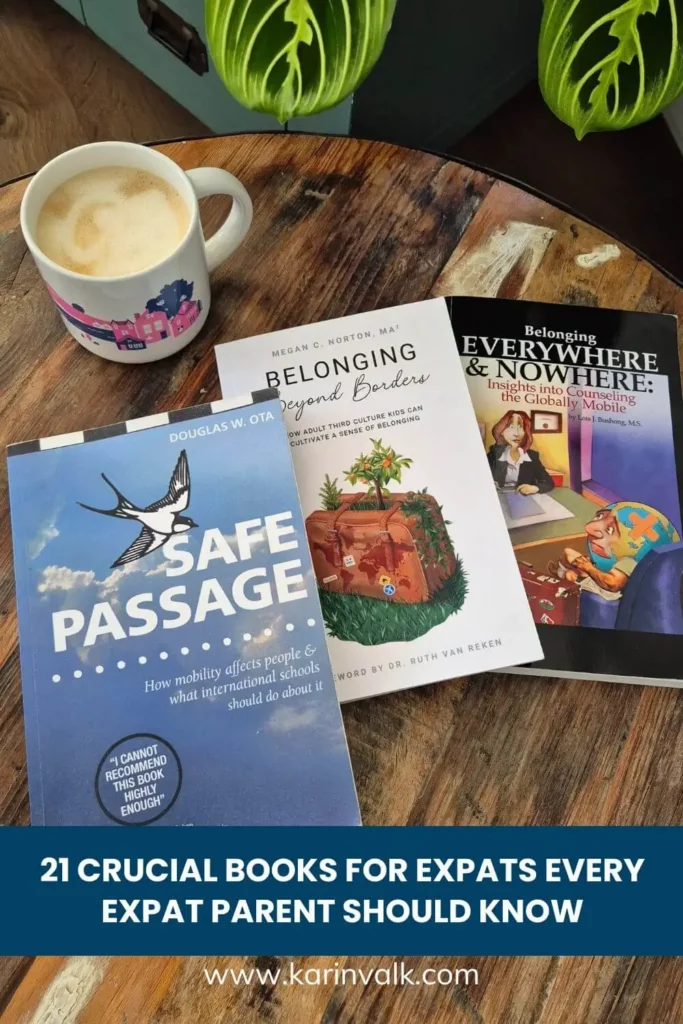
Adult TCK belonging isn’t just about finding the right community. It’s about understanding why belonging has always felt complicated, and what to actually do about it. Megan Norton, the daughter of a U.S. diplomat who grew up across multiple countries, built this Belonging Beyond Borders around a garden analogy that takes an abstract, often painful question and makes it genuinely workable.
More flexible workbook than linear text, it covers belonging across five areas of life: personal, professional, familial, cultural, and spiritual. With self-reflection exercises and structured prompts throughout. Reviewers consistently note it works for both adult TCKs processing their own history and for those who support this population professionally.
If you’ve spent years asking books about where is home, this one can help you build an answer.
16. Unrooted Childhoods: Books About Growing Up Between Cultures in Their Own Words

Books about growing up between cultures don’t get more direct than this: real TCKs and global nomads writing their own stories. Edited by Faith Eidse and Nina Sichel, Unrooted Childhoods: Memoirs of Growing Up Global was the first collection of its kind when it came out in 2004. And it became a Princeton textbook, which tells you something about how seriously the academic world took it.
The stories cover belonging, loss, identity, and what it actually feels like to grow up without a single place to call home. Told by the people who lived it.
17. Writing Out of Limbo: The Books About Cross-Cultural Identity That Go Deepest
Books about cross-cultural identity cover a lot of ground here: memoir, research, interviews, poetry, and practical essays, all in one collection. Writing Out of Limbo was put together by the same editors as Unrooted Childhoods and goes further: language, identity, grief, childhood mobility, and the experience of growing up global from just about every angle worth examining.
One reviewer called it “a bible for anyone who truly wants to look inside the mind of the TCK.” That’s not an overstatement. For books about TCK identity that cover military kids, diplomat kids, missionary kids, and everyone in between, this is the most comprehensive one on this list.
18. The Means That Make Us Strangers: Fiction That Gets Books About Kids Raised in a Different Country Right
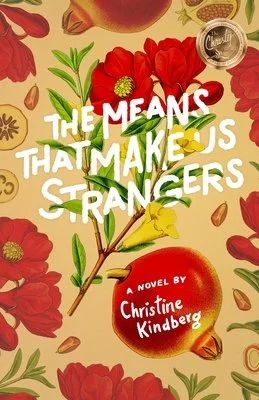
The Means That Make Us Strangers is the only novel on this list, and it’s made it for a reason. Books about kids raised in a different country usually stay general, but this one gets specific. Adelaide grew up entirely in rural Ethiopia as the daughter of an American anthropologist. When her family moves to South Carolina in 1964, she arrives in a country that’s supposed to be home and feels like a foreign country entirely.
Kindberg writes Ethiopia with the kind of detail that only comes from love, and she writes Adelaide’s re-entry with the kind of honesty that will make any adult TCK put the book down and just sit for a minute.
Recommended Books for Therapists and International School Professionals
If you work with globally mobile kids — as a counsellor, teacher, coach, or school administrator — these are the recommended books for therapists and school professionals who want to do the job well. Supporting Third Culture Kids in international schools takes a different set of tools than most training programs hand you, and these three fill that gap a whole lot.
In addition, they can be great books for international school parents who want to understand what the school counsellor is actually working with. Fortunately, they’re written accessibly enough that you don’t need a clinical background to get something real out of them.
19. Belonging Everywhere and Nowhere: Essential in Books for International School Counsellors
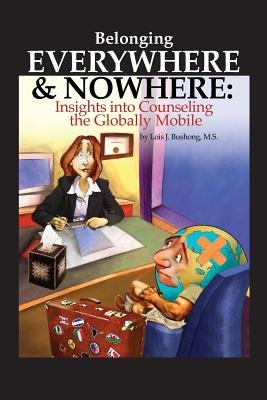
Belonging Everywhere & Nowhere: Insights into Counseling the Globally Mobile. Books for international school counsellors don’t get more practical than this. Lois Bushong — a TCK herself who grew up in Latin America and became a licensed marriage and family therapist — wrote it specifically for clinicians working with globally mobile clients.
From intake interviews to international school transition support. It covers the counselling skills that actually work with TCKs and ATCKs, with case examples, charts, and discussion questions throughout.
One reviewer put it plainly: “You will never do your intake interviews the same way again.” And as an embodiment coach for international school families and staff myself, I couldn’t agree more. Absolute must-have for anyone working with expats.
20. Safe Passage: The Blueprint for an International School Transition Program
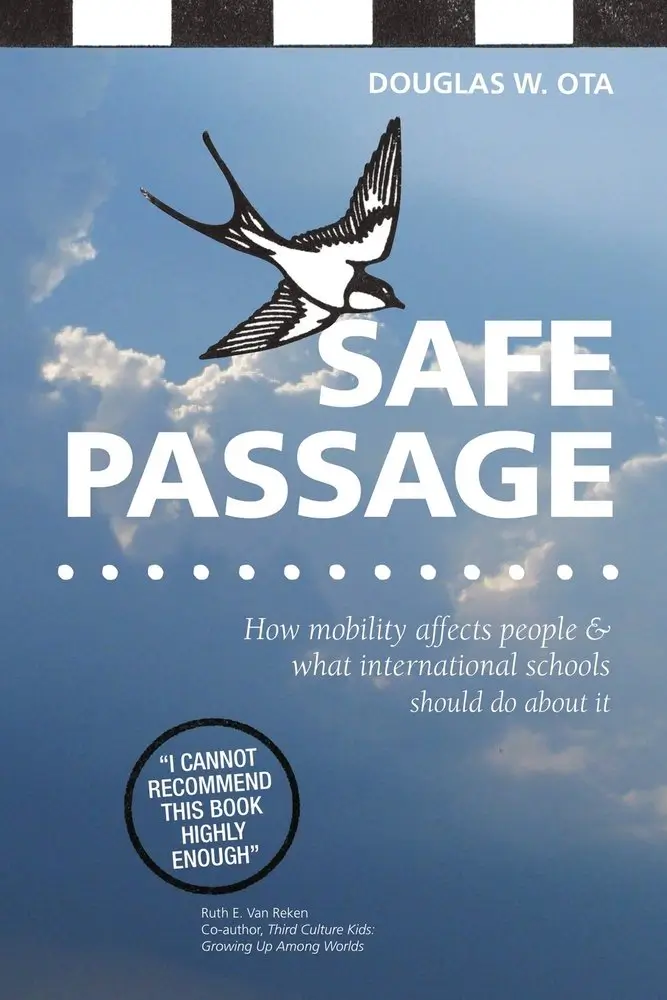
If you’re building or improving an international school transition program, Safe Passage: How Mobility Affects People & What International Schools Should Do About It is the book to start with. Doug Ota — a pyschologist who has worked with globally mobile students for years, and a legend in transition work —wrote this around his Six Laws of Transition framework (there’s a course too, which I took and highly recommend*).
It’s an absolute must-read for anyone working in or with international schools wanting to support families and staff.
The second section is essentially a ready-to-use blueprint for supporting international school families in transition, with the third covering how to maintain it long-term. Widely considered the most important book on school-based TCK support since Pollock and Van Reken.
*Doug founded the organization SPAN, more info on all things Safe Passage Across Networks here (not an affiliate, just a big fan).
21. Third Culture Kids: A Gift to Care For: Among the Best TCK Resources for International Schools
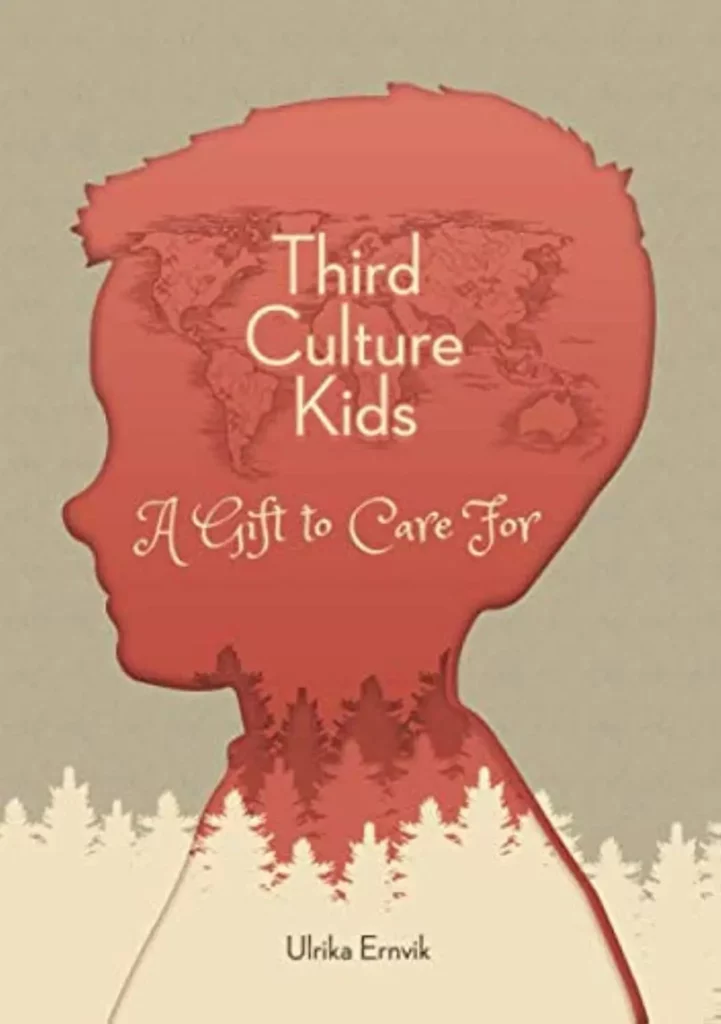
For TCK resources for international schools, this one stands out in the best way. Ulrika Ernvik is a licensed psychotherapist and missionary kid who grew up in Congo and later raised her children in Thailand. She wrote this from both sides of the experience, which is very helpful to understand it more deeply.
Third Culture Kids: A Gift to Care For covers the full range of the TCK life: the genuine gifts of growing up globally, the challenges of constant transition, belonging, identity, attachment, and how to actually help a child process all of it.
Each of the 57 chapters includes interactive activities: conversation starters, reflection exercises, and practical tools designed to be used directly with a child, a family, or in a group setting.
Recommended as one of the most comprehensive resources for supporting globally mobile students. For parents, school counsellors, and sending organisations who want hands-on, practical tools.
Frequently Asked Questions About Books for Expats
Below are the questions I get most often about books for expats and third culture kids. Answered here, with more detail in the sections above.
The best books on third culture kids for parents start with Third Culture Kids: Growing Up Among Worlds by Pollock and Van Reken and Misunderstood by Tanya Crossman. Both give a clear framework for what your child is experiencing. There are also strong adult TCK books, like Ruth Van Reken’s Letters Never Sent, that show what we take with us from childhood. The full list, with notes on which to read first, is in the parents section above.
The best books for expats in the parent role depend on what’s most urgent. For the TCK framework, start with Pollock and Van Reken; still the best books for third culture kids and the parents raising them. Foundational read.
For practical parenting, expat life books like Misunderstood and Raising Global Nomads cover what changes as families keep moving. The parents section above walks through all six books, with notes on what each one covers (although the books outside of the parent section can still be very relevant).
Books about living abroad for children work best when they clearly discuss the specific feelings kids struggle to name, like belonging, invisibility, the grief of leaving friends behind. For younger children, picture books like B at Home and My Tower Is Tumbling help to have those conversations. For older kids and teens, there are more narrative-driven options in the kids and teens section above, organised by age and what the book handles best.
TCK grief is complicated by the fact that no one around them usually acknowledges the loss. The first step is naming it, and books like The Grief Tower do that in language children understand. For adult third culture kids with unresolved grief, books for adult Third Culture Kids like Letters Never Sent and Unstacking Your Grief Tower go deeper. The adults section of this post covers the emotional angle in more detail.
The most consistent insight across books on expat life: what TCKs need isn’t necessarily stability, it’s a framework for understanding their own experience. They need to know their feelings are real. Arriving well and leaving well are both skills, and crucial to their mental health and attachment style. The books in this post build that framework, both for you as a parent and in age-appropriate language for your child.
For younger children, picture books are the most effective entry point. They put words and stories to experiences children can recognize themselves in. For international school children navigating a new classroom as well as a new country, books like B at Home and Slurping Soup and Other Confusions work because they’re honest and offer practical tools too. The full list is in the kids and teens section above, with age notes for each title.
The most practical thing expat parents can do is get a shared language for what the experience is. Cross-cultural families benefit enormously from books that name the invisible parts: the identity questions, the grief and loss of people and places, the strangeness of “home countries” that don’t feel like home, and more. The list in this post was built with that in mind: books that speak to children and parents at the same time, often about the same feelings.
Home abroad is less about the house and more about the relationships: who knows you, who remembers you left, who asks about the last school when you arrive at the new one, etc. International school families in transition often find the hardest part isn’t the logistics but the emotional landing. The books in this post, especially in the parents section, give concrete language for helping children build that sense of belonging wherever they are.