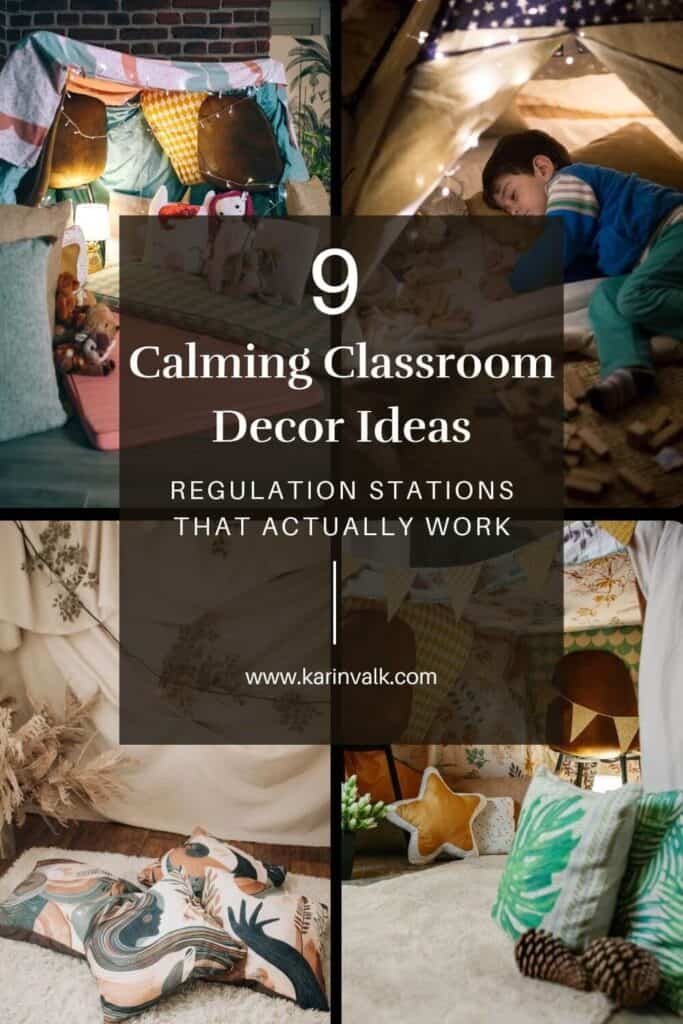
Looking for calming classroom decor ideas that actually help kids regulate their energy and emotions? A well-designed regulation station can do more than just look good: It can support smoother transitions, fewer meltdowns, and a more connected classroom vibe.
I earn commissions when you shop through the links below at no additional cost to you. As an Amazon Associate I earn from qualifying purchases.
I sometimes include Amazon links because I know ease and accessibility matter—especially for busy parents and teachers—but I’m also working on adding more options from smaller or values-aligned businesses. I’ll keep updating this post as those become available.

In this post, you’ll find 9 simple and effective ways to create a regulation station that feels good for both you and your students. Whether you’re teaching neurodivergent learners, multilingual kids, or just a wonderfully wiggly group, these calming setups can help everyone feel a little more grounded.
You’ll also find printable tools, sensory supports, and inspiration to make your corner both cozy and functional, without needing to redecorate your entire classroom.
This post is all about calming classroom decor ideas
Calming classroom decor ideas that support regulation
Creating a calming classroom doesn’t mean turning your space into a Pinterest-perfect showroom. It’s about choosing decor that helps students feel safe, focused, and able to manage their emotions. Without overwhelming them with visual clutter or distractions.
Here are a few ideas to get started:
Choose soft, muted colors over bright primaries
Opt for calming hues like soft greens, gentle blues, or warm neutrals. These tones naturally support nervous system regulation and reduce overstimulation. This can be especially helpful for kids who are already carrying a lot into the classroom.
Use fabric, texture, and lighting to shift the mood
Rugs, curtains, and soft lighting can completely transform the tone of a space. A cozy rug or a few flowy fabrics around a designated corner can signal to students: “This space feels different. You can take a breath here.”
Add nature-inspired elements
Plants (preferably real, but even fake), natural wood textures, or images of outdoor scenes can support a sense of grounding. These elements aren’t just decorative, they can subtly regulate energy and attention.
Keep wall visuals focused and intentional
Instead of covering every inch with posters or charts, choose just a few key visuals. A simple feelings chart, a classroom agreement poster, or one mindful breathing visual can be more effective than a wall full of distractions.
If you’re looking for a calm down corner printables kit, then I’m excited to share my very own with you here! Its visuals and layout are especially accessible to ESL learners and kids with dyslexia. I hope you love it as much as I do.

What is a regulation station and why does it help?
A regulation station is a small, designated space in the classroom that supports students in recognizing and managing their emotional and physical states. It’s like a “pause and reset” spot, not a punishment corner, not a timeout zone, but a safe space where kids can check in with themselves and shift gears when needed.
Think of it as the classroom version of taking a deep breath.
These spaces can be especially helpful for:
- Students with big emotions who need structure and options
- Kids who struggle with transitions or sensory overwhelm
- Young learners who are still developing emotional vocabulary and body awareness
The goal isn’t to “fix” behavior but to support regulation so students can return to learning with more calm, focus, and connection.
In the next section, we’ll look at what to actually include in a classroom regulation station. And how to make it work even if you’re short on space. Each of these calming classroom decor ideas supports kids in recognizing what they need and taking meaningful action.
If you’re looking to create a calm corner at home then there’s a post for that too:
Why calming classroom decor supports emotional regulation
Ever tried concentrating in a room that feels like a carnival? It’s a sensory overload, and kids feel it too. When a classroom is filled with loud colors, chaotic visuals, and nowhere soft to land, it can make it harder for students to settle, focus, or even notice how their bodies feel.
That’s where calming classroom decor comes in.
Soft lighting, natural textures, soothing colors, and intentional design don’t just make the room look nice. They help nervous systems settle down. For young learners especially, environment is part of the co-regulation process. When the classroom feels grounded, kids are more likely to feel grounded too.
A thoughtfully set-up space can:
- Reduce background stress and overwhelm
- Invite slower pacing and calmer transitions
- Encourage autonomy and self-soothing through visual and sensory cues
And the best part? You don’t need to overhaul your whole classroom or buy a hundred neutral-toned baskets. Even just one cozy corner with calm colors, a few sensory supports, and clear visuals can make a big difference. (I’ll show you how.)

For a quick guide to calm corner essentials at home or in the classroom, check out this post:
9 Regulation station ideas to include in your calming classroom decor
The following ideas are varied, so there is always an option that fits your classroom! Whether you are looking to decorate a small classroom, or if you have space for multiple regulation station and calming corner ideas, I’ve got you covered!
1. Cozy corner with soft seating
Creating a cozy corner with soft seating is like giving your students a little hug in the classroom. Think comfy bean bags, plush cushions, or a small loveseat. Anything that invites kids to settle in and feel safe. This space not only encourages relaxation but also supports emotional regulation by providing a quiet retreat where students can pause and reset.
For classrooms with limited space, consider portable options like floor cushions or foldable chairs that tuck away easily. Even a small nook with a comfy throw blanket can work wonders.

Corduroy Bean Bag Chair
This super soft bean bag chair is the perfect cozy addition to a classroom calm-down corner or reading nook. It’s lightweight, kid-sized, and easy to move. The plush design encouraging kids to curl up with a book or simply reset for a few minutes.
2. Breathing or mindfulness station
This station is all about helping students slow down, tune in, and take a breath—literally. It doesn’t need to be fancy: just a small space with a visual breathing aid, a comfy cushion, and maybe a soothing sound or two. Some teachers like to add a glitter jar or a breathing buddy (a small stuffed animal students can place on their belly while lying down to watch it rise and fall with their breath).
Mindfulness tools work best when they’re simple and visual. A poster showing different breathing shapes (like square breathing or rainbow breaths) can help kids choose what works for them. You might also include a short audio guide or printed script for a breathing routine.
And if you’re short on space? A “breathing board” on a clipboard with a laminated breathing visual and a pinwheel clipped on can work wonders. It’s portable, effective, and super calming.

Stuffed Animal Breathing Buddy
A super cute, soft breathing buddy perfect for teaching kids mindful breathing and self-regulation in the classroom.
3. Stretching or movement zone
Sometimes the best way to calm down… is to move first. This station gives kids a safe way to release extra energy and reconnect with their bodies. It could be as simple as a yoga mat or a rug with space to stretch, a visual chart of animal movements (think “stretch like a cat” or “stand tall like a flamingo”), or even a laminated movement card kids can choose from.
Not every classroom has room for jumping jacks or dance breaks, but even small movements (like arm circles, shoulder rolls, or slow stretches) can be enough to shift energy. You can also include a mirror so students can see how they’re moving or standing. Bonus: this builds body awareness, too!
If space is tight, this zone can be portable. A movement ring binder with visual cues or a small fidget-friendly stretching tool (like a stretchy band or yoga cube) can go a long way in a small corner.

Kids Yoga Mat
This yoga mat is soft, lightweight, and the fun design encourages movement while the non-slip texture keeps things safe. Great for stretching, floor breathing exercises, or animal walks in a small space.

4. Tactile sensory tray: A calming classroom decor idea for hands-on learners
Textures can be incredibly grounding for kids. A tactile sensory tray or box gives students something to touch, squeeze, sort, or explore. Especially helpful when their nervous system needs a little reset without needing words.
You can fill it with items like kinetic sand, soft pom-poms, smooth stones, or squishy toys. Some teachers even add calming colors or nature-inspired elements like pinecones or shells. The idea is to invite hands-on interaction that helps kids come back into their bodies.
Don’t have room for a big tray? No problem. Even a small pencil box with a few carefully chosen textures can do the trick. And for classrooms with sound sensitivity concerns, opt for items that are quiet to use. No popping or crackling required.

Sensory Fidget Tub & Discovery Blocks for Kids
Whether you’re adding sound-filled wooden blocks or a tub of colorful fidget toys, these sensory tools give kids something to touch, squeeze, shake, or explore. Great for calming corners, reset routines, or focused playtime.
5. Emotional expression wall
Big feelings don’t have to stay bottled up, or come out sideways. An emotional expression wall gives students a visual way to notice, name, and share their emotions. Think of it like a feelings check-in, but with more color and creativity.
You might include a range of emotion faces or a color-coded mood meter. Add magnetic name tags or clips so kids can quietly move their name to the emotion they’re feeling. Some classrooms also include “I feel… I need…” sentence starters or visual cards, which can be especially helpful for multilingual learners and students who benefit from low-verbal communication options.
No wall space? A mini bulletin board, a binder with emotion cards, or even a laminated feelings chart in your cozy corner can work beautifully. It’s all about showing kids that all emotions are welcome. And giving them tools to navigate those ups and downs.
And truly, there’s something beautiful about watching a child quietly walk over, take a breath, and move their name to “frustrated” or “tired”, then grab a card that says “I need a break.” You’re not just teaching emotional literacy. You’re giving them permission to take care of themselves in a calm, loving way.
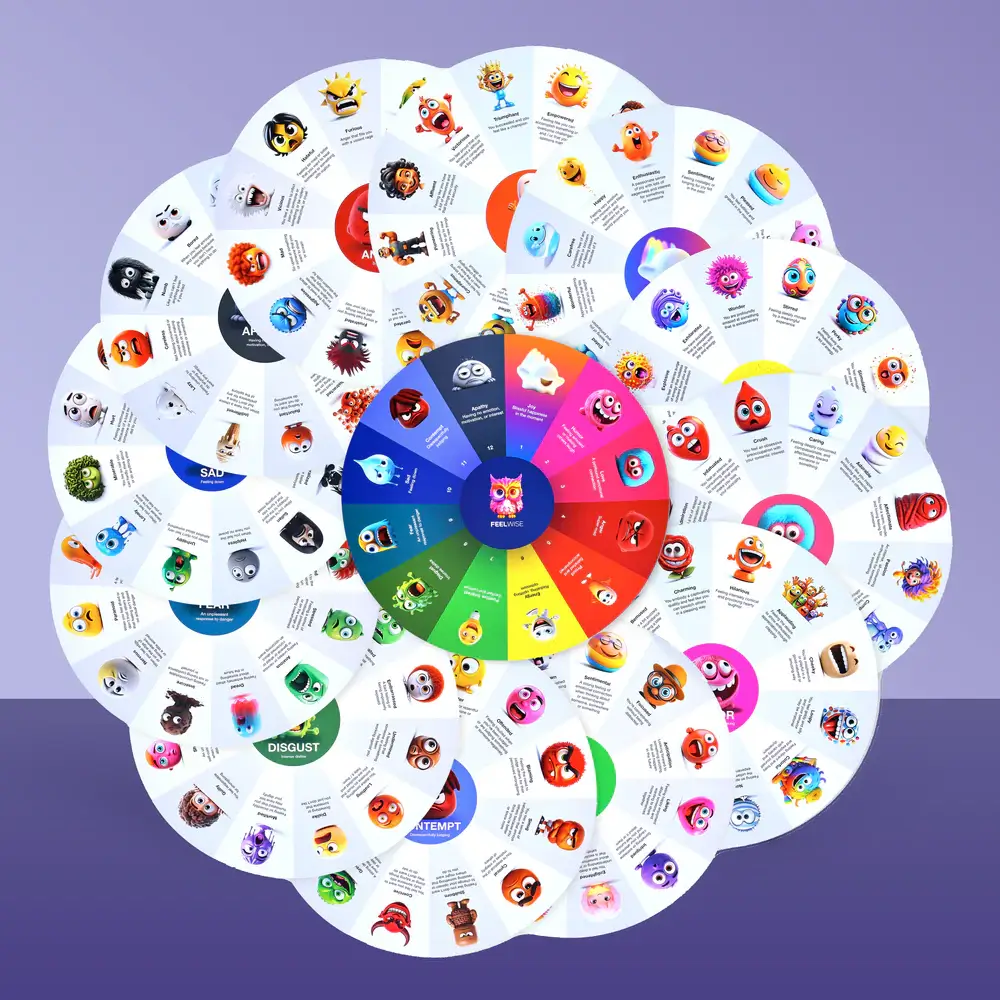
Emotional expression tools for kids
Help kids name and share how they feel with tools designed for self-expression. These visuals are perfect for building emotional literacy.
6. Body awareness & choice corner
Sometimes kids know they feel “off”, but they can’t quite tell if it’s tired, antsy, or overwhelmed. A body awareness and choice corner helps students pause, check in with their posture or sensations, and decide what kind of support they might need.
You might include a mirror, posture cards (showing things like slumped shoulders or tight fists), or a simple “How does my body feel?” chart. A printable prompt like “I feel ___, so I choose ___” can guide kids in connecting their sensations to self-regulating actions, like stretching, squeezing a fidget, or lying on a cushion.
The goal isn’t to “fix” a feeling—it’s to notice and respond with kindness. This kind of corner builds self-trust and helps kids connect physical cues with emotional states.
And when you see a student pause at the mirror, straighten their back, take a breath, and decide what to do next… it’s a powerful moment. They’re learning that their body has wisdom, and they have the power to listen.

Awareness & Choice Printable
This practice helps build awareness and gives children the choice to change their posture and feel their mood shift.
Or get my full calm down corner printable bundle here.
7. Quiet reading nook with self-regulation books
Some days, the best regulation strategy is simply a quiet corner, a soft seat, and a story. A reading nook stocked with books about emotions, self-regulation, or calming strategies gives kids a gentle way to reset; without pressure or performance.
Look for picture books that normalize big feelings, teach calming techniques through story, or celebrate emotional awareness. You can even create a “choose your mood” shelf: one row for books about feeling sad, another for frustration, one for joy, and so on.
Include soft lighting, a basket of cozy fidgets, or even noise-canceling headphones for an added sense of calm.
This space doesn’t just support literacy; it gives kids language for what’s happening inside. And sometimes, reading about another character’s big feelings is the perfect way to feel a little less alone.

A Little SPOT of Emotion Book Set
This playful 8-book set helps kids recognize and manage emotions with simple visuals and friendly characters. A great addition to any quiet reading nook or regulation station.
8. Visuals and lighting as calming classroom decor ideas that soothe overstimulated students
Our eyes take in so much during the day. And for sensitive students, visual overwhelm can make self-regulation even harder. This station is all about creating a visual pause.
Soft lighting, like a small salt lamp or fairy lights, can instantly shift the atmosphere of a space. A lava lamp or slow-moving visual timer can mesmerize in the best way. Nature images, calming color palettes, and gentle movement (like hanging fabric or a slow-turning mobile) give kids’ nervous systems something safe and steady to focus on.
You might place these visuals near other regulation stations, or create a specific nook for visual grounding.
This is also a great place for multilingual or neurodivergent students to calm themselves without needing to process language. The message is clear: you’re safe, and you can take a moment.

Soft Lighting & Visuals for Calm Spaces
Soothing (and such cute!) lights can transform any corner into a cozy, calm retreat. Pair them with gentle visuals to reduce overstimulation and support emotional regulation.
9. Reset routine poster or toolkit
Sometimes kids don’t need a whole corner. They just need a gentle nudge toward what to do next. That’s where a reset routine poster or toolkit comes in.
This station offers a clear visual guide for self-regulation steps, like:
1. Pause.
2. Notice.
3. Choose a tool.
4. Check-in again.
You can customize this to fit your classroom routines, whether it’s taking a breath, getting a drink of water, choosing a calming card, or asking for help. Having it all mapped out helps students feel less overwhelmed and more in charge of their process.
It’s also perfect for teachers working with limited space. You can hang a single poster near a desk, include it in a binder, or clip it to a clipboard as a mobile toolkit. Little footprint, big impact!

Reset Routine Visual Poster
Help kids move from overwhelmed to empowered with a simple visual reset routine. This poster outlines easy steps to pause, notice, and choose a regulation tool. Perfect for classrooms with limited space.

How to set up a calming corner in the classroom
Luckily, with so many calming classroom decor ideas, you don’t need a big budget or a large classroom to create a calming space that helps kids regulate. Start small and think practical, especially if you’re tight on space. Here’s a simple checklist to help you get started:
Calming corner essentials:
- Soft seating: A small bean bag, floor cushion, or folded blanket works great.
- Low-traffic location: Choose a spot that’s quiet, tucked away, and not near the classroom door or busy materials.
- Visuals: Posters, a mini feelings chart, or breathing prompts nearby.
- Calming colors: Soothing tones like soft blues, greens, or neutrals help create a grounded feel.
- Sensory tools: A fidget basket, tactile items, or even a simple sensory bottle.
- Boundaries: Define the space with a rug, curtain, or taped-off floor square.
- Lighting: Natural light if possible, or a small lamp with a warm bulb.
- Privacy: Use a bookshelf or divider to make it feel safe and semi-private.
- Rules & routine: A visual explaining when and how to use the space (more below!).
These calming classroom decor ideas can be adapted to suit any classroom. Whether you’re in a shared space, small room, or on a budget. If your classroom is tiny, get creative: even a single corner of a shelf with a cushion beside it can become a reset space. Kids don’t need a whole nook, just a clear invitation to pause and care for themselves.
Once your regulation station is set up, here’s how to use it with your class: from teaching students to use the corner to knowing what to say to a dysregulated student.
Related post: Practical Calm Down Corner Tips: The Complete User Guide
Calming Corner Rules: What to Expect and How to Teach Them
Once your calming corner is set up, the real magic comes from teaching students how to use it with intention. A clear set of expectations helps the space feel safe, respectful, and truly supportive.
You might post 3–5 simple, visual rules nearby, like:
- Use kind hands and quiet voices
- One person at a time
- Choose a tool or take a breath
- Return when you’re ready
Make sure to model what using the space looks like, both with your words and your body language. Role-play a few examples with the class so they know it’s okay to visit the space when they need to reset.
You can also revisit these expectations during morning meetings or as part of your social-emotional curriculum. Over time, it becomes something kids don’t just use—they rely on it.
And maybe best of all? When students begin reminding each other with gentle phrases like “Do you want to try the calming corner?”, that’s when you’ll know it’s working. It’s going to be great, and thank you for taking such good care of your class!