
Some kids chew on pencils, others spin in circles, and a few seem to always have something in their hands. Sensory needs show up in all kinds of ways, and the right tools can make a big difference. Whether you’re teaching in a busy classroom or parenting at home, sensory toys for autism aren’t just for one group of children. They’re powerful supports that help all kids regulate, focus, and feel calmer in their bodies.
I earn commissions when you shop through the links below at no additional cost to you. As an Amazon Associate I earn from qualifying purchases.
I include Amazon links because I know ease and accessibility matter, especially for busy parents and teachers. In this post, I also include alternatives from National Autism Resources, a specialist retailer for autism-focused sensory tools, visual supports, OT resources, classroom materials, and therapy-friendly products. This gives you more choice, especially if you prefer a retailer focused specifically on autism and sensory needs.
Sensory toys are often recommended for children with autism because they can support focus, calm, and self-regulation. But the truth is, these tools can be helpful for any child. Whether in a busy classroom, at home after a long day, during transitions, or any time really.
In this guide, you’ll discover the best sensory toys for autism, including fidget toys, calming sensory tools, stimming toys, movement toys, and sensory mats. Each one is parent- and teacher-approved, easy to find, and loved by kids for the comfort and playfulness they bring.
This post is all about sensory toys for autism that help all kids.
If you’re looking for more calming activities for kids, this post has a list of simple classroom-friendly ideas:

What Are Sensory Toys for Autism?
Sensory toys for autism are tools designed to support kids’ nervous systems by giving them safe ways to explore touch, sound, movement, or pressure. They’re often used in therapy, classrooms, and at home because they help kids regulate, focus, and feel calmer in their bodies.
While autism sensory products are most commonly associated with neurodiverse children, they can benefit all kids. Especially in today’s busy, often overstimulating environments.
Teachers and parents sometimes hear the term “sensory integration toys autism” from occupational therapists. This simply means toys that help kids process sensory input in a balanced way. A child who seeks lots of movement might use a swing or trampoline, while a child who avoids sound may prefer quiet fidgets or calming tactile tools.
In every case, the goal is to make regulation easier and give children healthy outlets for their sensory needs.
How to Choose the Best Toys for Autism
Choosing the best sensory toys for autism doesn’t have to be overwhelming. Think function first: fidgets for focus, deep pressure for calming, movement for heavy work, and tactile or visual input for curiosity and play.
Heavy work (a term from occupational therapy) just means activities that push or pull against resistance, like jumping, pushing, carrying, or squeezing. This helps kids feel grounded and regulated.
The best toys for autism are simple, durable, easy to clean, and genuinely useful, and of course: effective. Whether you’re a parent searching for toys for autistic child or a teacher comparing toys for autism kids, the intention is the same: give kids reliable tools that help their bodies relax, their attention stretch a little longer, and their confidence grow.
Shopping tip: For each product, I’ve listed the best fit option first. Sometimes that’s Amazon because it’s familiar and easy to access and available in a variety of options. Other times, the better fit might be National Autism Resources, especially when the product is more therapy-focused or clearly designed for sensory and autism support.
Looking for easy heavy work activities to go with these toys? Check out this post:
Autism Fidget Toys and Tools
Autism fidget toys are some of the most popular sensory tools because they give kids an outlet for restless energy. Instead of pencil tapping, shirt chewing, or constant wiggling, the right fidget lets kids stay engaged in a way that feels calm and productive.
1. Best Fidget Cube for Autism and Focus
When it comes to autism fidget toys, few things beat the classic fidget cube. Each side has a different action: clicking, spinning, rolling, or flipping. Which means kids can keep their hands busy without disrupting lessons or dinner conversations.
For teachers, these are lifesavers because they’re quiet; for parents, they’re portable enough to toss in a bag. Fidgets don’t just keep little fingers moving, they can also double as focus toys for autism, helping kids channel energy in a way that supports attention and self-regulation.
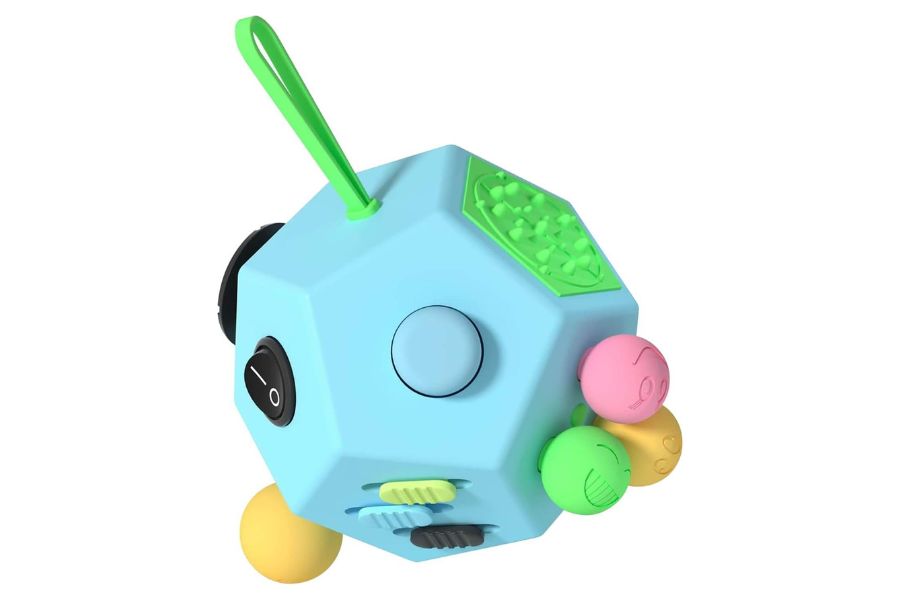
Fidget Cube for Autism: Minilopa 12-Side
A multi-sided autism fidget toy with quiet clicks, rolls, and switches that work as a focus toy for autism at home or school.
2. Chewelry and Chewy Necklaces for Autism
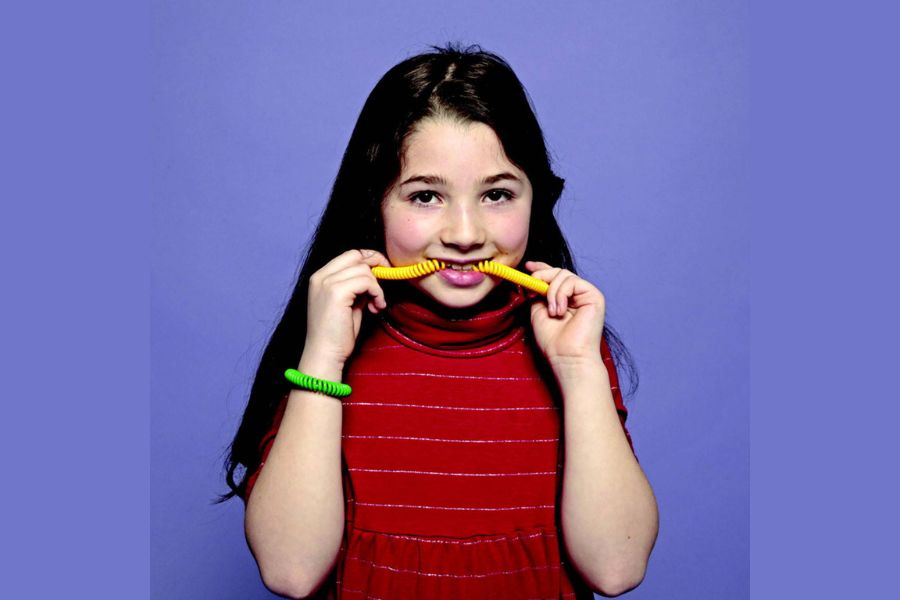
Oral input can be incredibly regulating. Chewy necklace autism options give kids a safe, hygienic alternative to shirts or pencil caps. This kind of chewelry for autism supports focus during lessons or car rides, while autism chew toys in varied chew strengths (soft/medium/firm) let you match the bite to the need; look for food-grade silicone and breakaway clasps for safety.
Chewy Necklace for Autism
NAR’s Chewelry Necklace is directly made for oral sensory input and described as food-grade and discreet. A great autism chew toy option.
3. Stress Balls and Fidgets That Help Kids Regulate
Sometimes the simplest tools are the most effective. Autism stress toys give kids something safe to squeeze, toss, or roll when emotions feel intense. Soft autism sensory balls and tactile sensory balls for autism not only calm stress but also build hand strength and coordination. Great for both classrooms and home regulation.
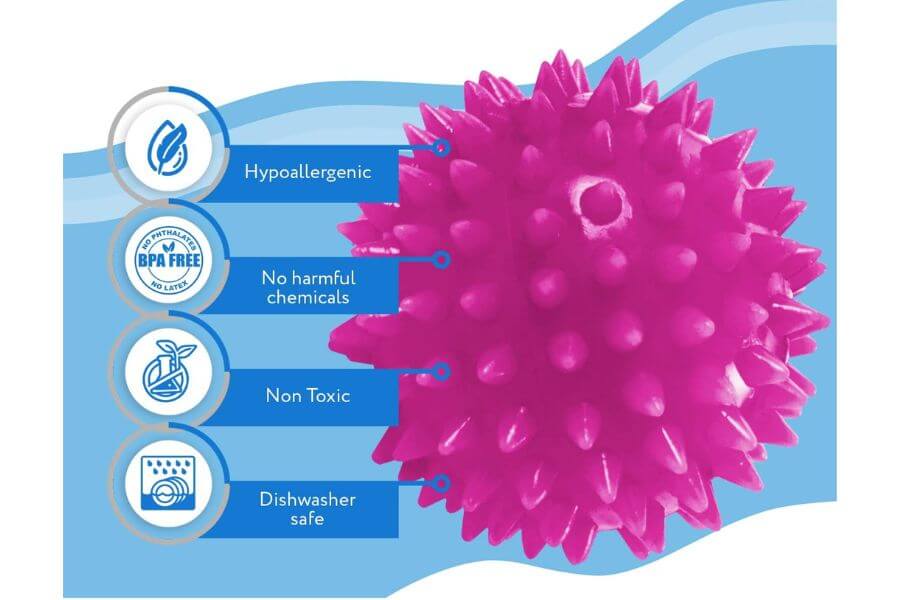
Sensory Stress Balls for Autism – IMPRESA 5-Pack
Durable spiky autism sensory balls that are great as autism stress toys, offering calming squeezes and gentle tactile input at home or in the classroom.
Stimming Toys for Autism and Sensory Regulation
For many kids, stimming toys for autism provide comfort, focus, and a safe way to meet sensory needs. Stimming (short for self-stimulatory behavior) can include movements like stretching, squeezing, flapping, or tapping, and it’s simply a natural way the body seeks regulation.
Repetitive actions aren’t problems to “fix”; they’re strategies kids use to feel calm, safe, and engaged. Having the right stim toys autism makes it easier for children to regulate at home, in classrooms, or on the go.
If you’re interest in setting up a calming corner at home to support your child, you’ll love this post:
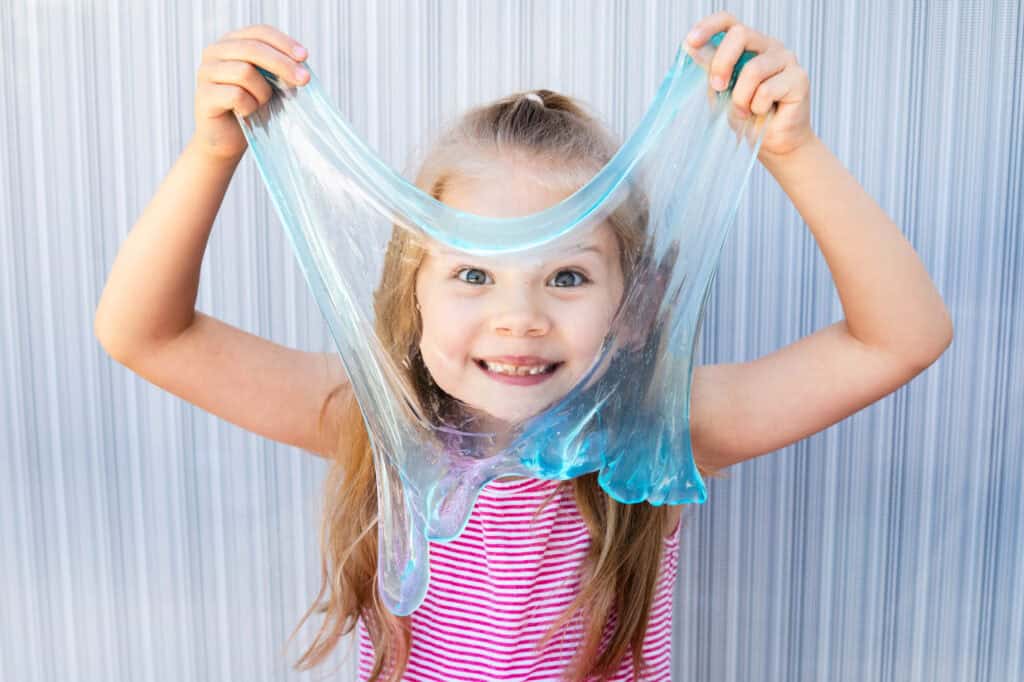
4. Sensory Putty and Slime Toys for Autism
Squishy, stretchy, and endlessly moldable, putty slime autism toys are a favorite because they give kids’ hands something soothing to do while their minds focus. These tools double as autism tactile toys, offering resistance, texture, and fun all in one! They’re great for transitions, calm corners, or just helping a child settle and have some fun.

Sensory Putty for Autism – Theraputty
Clear, stretchy putty slime autism that feels smooth and satisfying to knead. A favorite autism tactile toy for calming fidgety hands without mess.
5. Pop Tubes as Autism Stimming Toys
Bright, bendy, and satisfyingly noisy, pop tubes autism are classic stim toys autism for kids who love movement and sound feedback. They stretch, twist, and click into shapes, giving hands and ears plenty of stimulation. Pop tubes are especially handy for quick regulation breaks. Whether that’s five minutes before math class or while waiting at the doctor’s office.
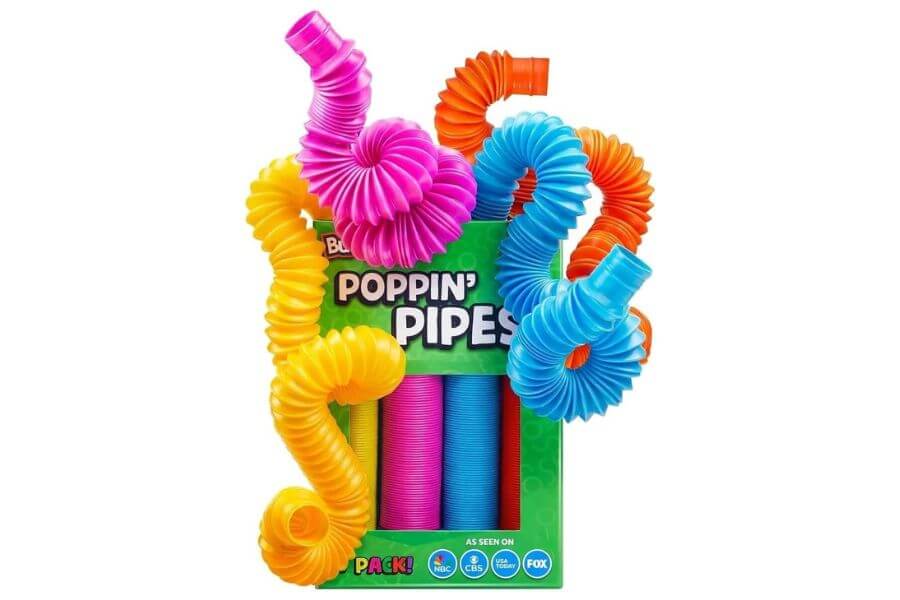
Pop Tubes for Autism 4-Pack
Durable, colorful pop tubes autism that double as classic stim toys autism. Stretch, bend, and snap for fun sensory regulation at home or in the classroom.
6. Stretch Bands and Resistance Tools for Kids
Stretching, pulling, and pushing are all ways kids meet their body’s need for “heavy work”. Stretch bands autism toys give safe resistance that helps with calming, focus, body awareness, and more.
They’re simple and affordable, and the Amazon alternative is easy to keep in a classroom calm corner or even in a backpack for on-the-go regulation.
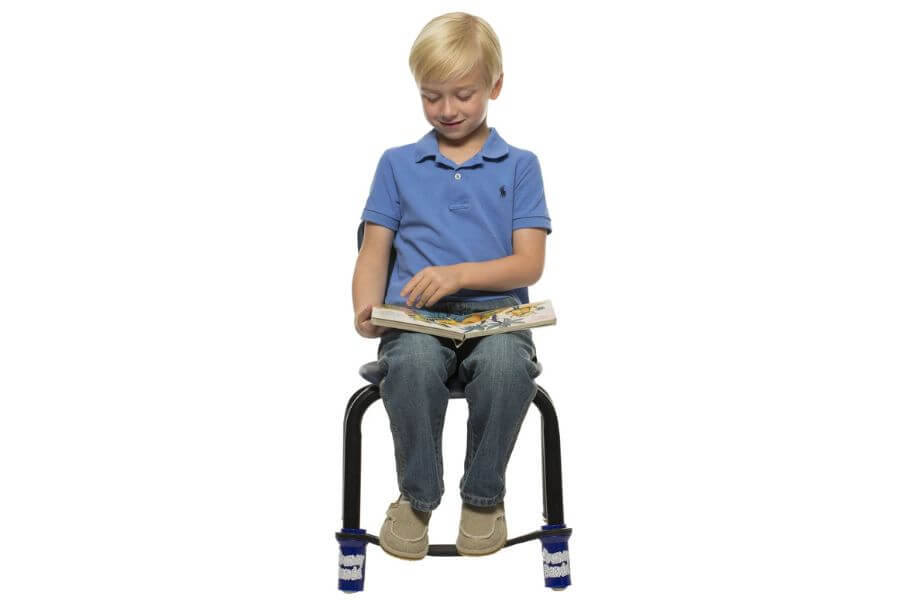
Stretch Bands for Autism – BouncyBand
Silent and durable stretch bands autism tool that gives kids calming resistance and movement support in classrooms or at home.
Calming Sensory Toys for Autism (Deep Pressure and Comfort)
Some kids calm best when they can chew or fidget, but others need their whole body to feel grounded. Calming sensory toys for autism provide deep pressure, warmth, or gentle compression. Like a weighted blanket in mini form. These supports can ease anxiety, lower stress, and give kids a reliable way to regulate their bodies when the world feels overwhelming.
7. Weighted Lap Pads for Autism and Anxiety Support
A weighted lap pad autism tool gives kids calming pressure without the bulk of a blanket. These deep pressure toys autism are small enough for desks, car rides, or reading corners, making them one of the easiest ways to bring comfort into daily routines. They’re especially helpful for easing restlessness and supporting focus during transitions or lessons.

Weighted Lap Pad for Autism – Harkla Dog
Adorable plush weighted lap pad autism shaped like a dog, giving kids deep pressure comfort. One of the most engaging (and cute!) deep pressure toys autism for focus and calm at school or home.
Teachers, you can also explore calming corner setup ideas to create a supportive classroom environment where tools like this work best.
8. Sensory Body Socks for Autism and Sensory Processing
A sensory body sock autism tool looks simple (just a stretchy fabric suit) but it’s one of the most powerful ways for kids to feel grounded. By climbing inside, children get full-body deep pressure and proprioceptive input, which can be calming, grounding, and even fun. They’re especially popular for sensory breaks, indoor play, and helping kids reset after transitions.
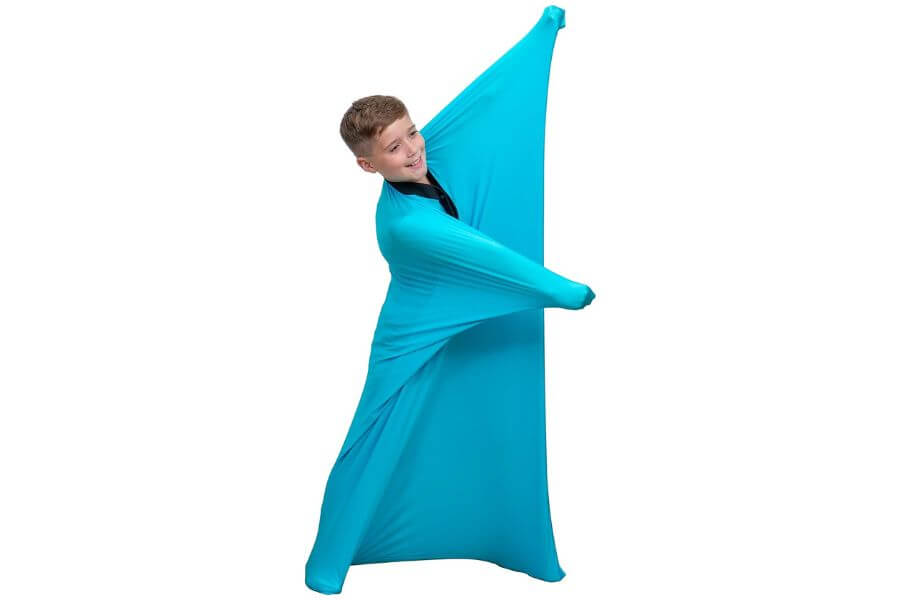
Sensory Body Sock for Autism by Special Supplies
Stretchy, breathable sensory body sock autism that provides calming full-body pressure and safe movement play.
Body socks work because they feed the proprioceptive sense. Want to know how that differs from the sense that reads hunger and emotion? Check out this post:
9. Compression Vests for Autism and Regulation
A compression vest autism tool works like a gentle hug. Providing steady, calming pressure throughout the day. Many therapists recommend them as autism regulation toys because they help kids stay focused in class, feel secure in transitions, and manage sensory overload without drawing extra attention.

Compression Vest for Autism
Adjustable, classroom-trusted compression vest autism that provides steady deep pressure. One of the most reliable autism regulation tools for focus and calm.
If you are traveling with a sensitive child, this post has must-haves to support them:
10. Calming Toys That Help Kids with Stress
When kids are in the middle of big feelings, calming sensory toys for autism can give them a quick way to calm their nervous systems. Whether it’s a plush, a weighted toy, or a soothing visual tool, these calming toys for autism help lower stress and support focus.
Many families and teachers also use them as autism toys for anxiety, offering comfort during transitions, travel, or any other overwhelming moments.

Calming Toy for Autism – Weighted Puppy
Soft, huggable calming toy for autism that is one of the best autism toys for anxiety, providing deep pressure comfort and sensory relief. Weight can easily be taken out and put back in.
I’ve listed the best weighted lap pads and weighted stuffed animals in this post if you need a little more comparison before deciding what’s best for your child:
Related post: 8 Best Weighted Lap Pads to Tackle Anxiety
Movement Sensory Toys for Autism
When kids need to move, giving them the right outlet makes all the difference. Movement sensory toys for autism let children bounce, balance, swing, or jump in safe ways that provide heavy work and sensory input. These tools not only support regulation but also improve coordination, strength, and focus. Making them favorites in both homes and classrooms.

11. Sensory Mats for Autism and Sensory Play
Sensory mats for autism are textured tiles kids can walk, crawl, or press their hands on. Perfect for adding tactile input through play. They’re versatile sensory play toys autism families use for indoor obstacle courses, calm corners, or movement breaks in classrooms.
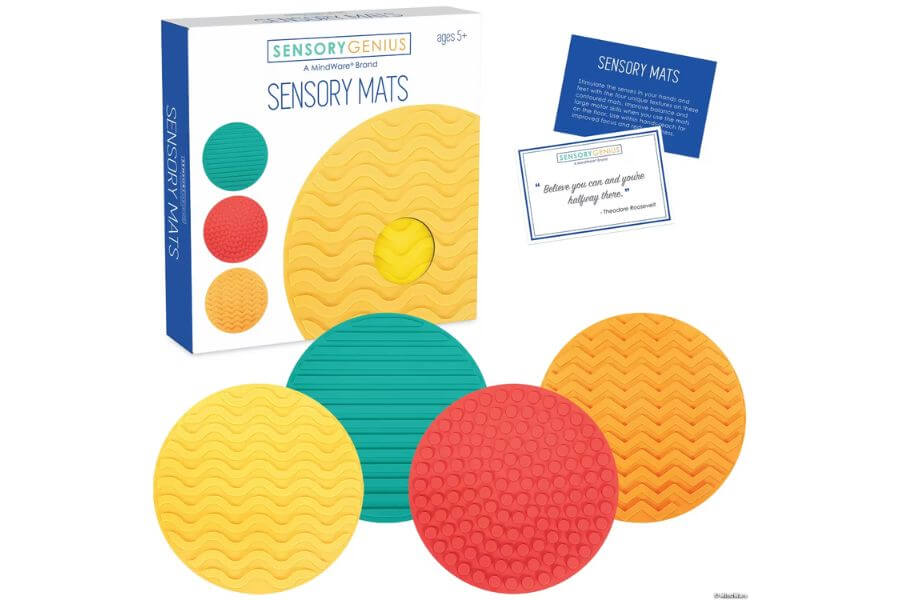
Sensory Mats for Autism – MindWare 4-Pack
Textured, durable sensory mats for autism that work well as sensory play toys autism for obstacle courses, calm corners, and movement breaks.
12. Balance Boards as Sensory Toys for Autism
An autism balance board builds core strength, coordination, and focus. All while giving kids fun movement input. These boards can be used indoors for wiggle breaks, as part of a calm corner, or even during circle time to help kids stay engaged while moving.

Autism Balance Board – Gentle Monster Wooden
Sturdy wooden autism balance board that encourages safe movement, focus, and sensory regulation through rocking and balance play.
13. Best Sensory Swings and Hammock Chairs
A sensory swing for autism gives kids calming, rhythmic movement that helps regulate their nervous systems. Whether it’s a cocoon-style autism sensory swing for deep pressure or a hammock chair for gentle rocking, these tools are favorites in both therapy and home settings.
They’re especially effective for kids who need vestibular input to calm down or just feel safe.

Sensory Swing for Autism
Cozy, durable sensory swing for autism. An autism sensory swing is great for calming, rocking, and safe indoor/outdoor play.
Good Sensory Toys for Autism at Home and in the Classroom
The good sensory toys for autism are often the ones that work across settings. Simple, durable tools that kids can use at school, at home, or even during transitions. These picks give teachers and parents flexible options that travel well, support regulation, and make sense in both individual and group environments.
If you want to use these sensory toys in a calm corner but you don’t know how? I created a complete user guide just for you!
Related post: Practical Calm Down Corner Tips: The Complete User Guide
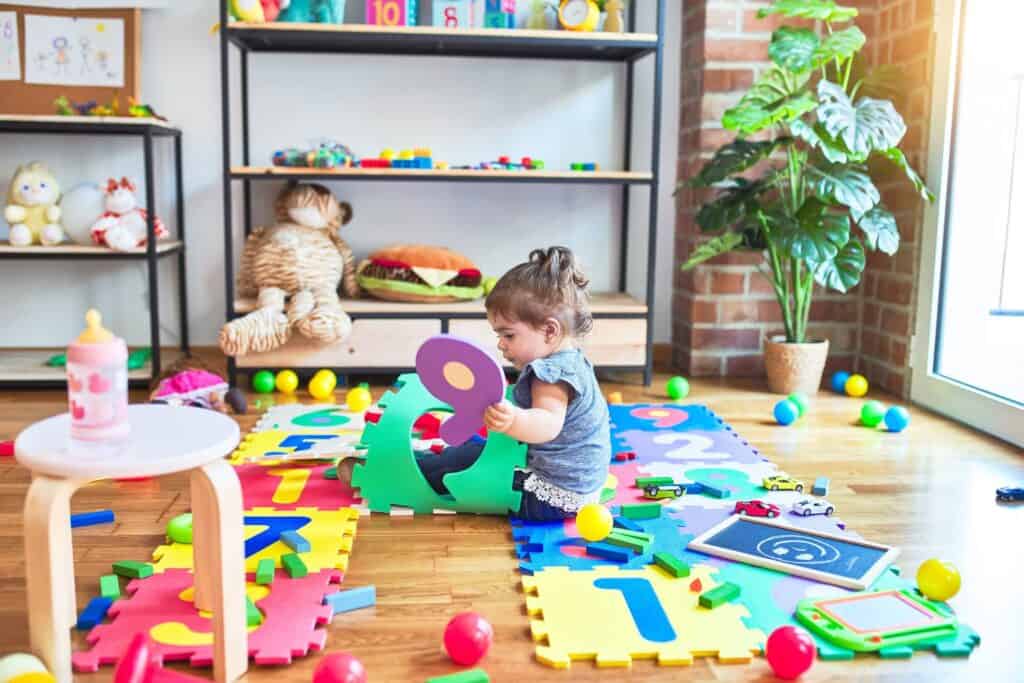
14. Sensory Bins and Sand Trays for Autism
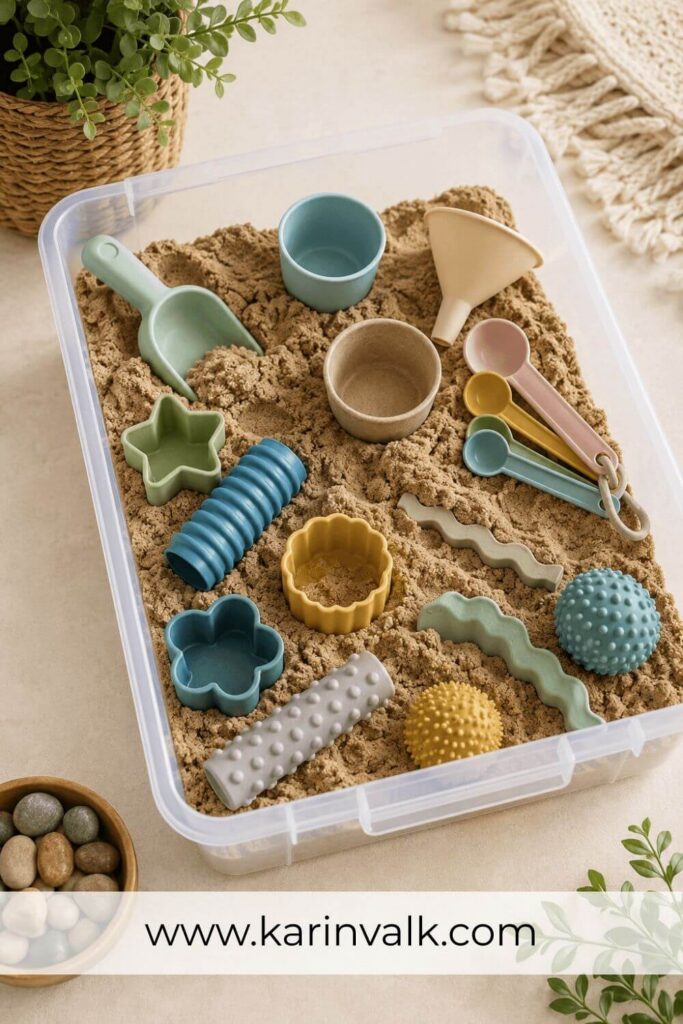
Sensory bins autism activities give kids a safe space to dig, scoop, and explore textures. They’re especially useful for building focus and calming energy while offering endless play ideas. A smaller autism sand tray is great for classrooms or travel, giving the same benefits in a more compact form.
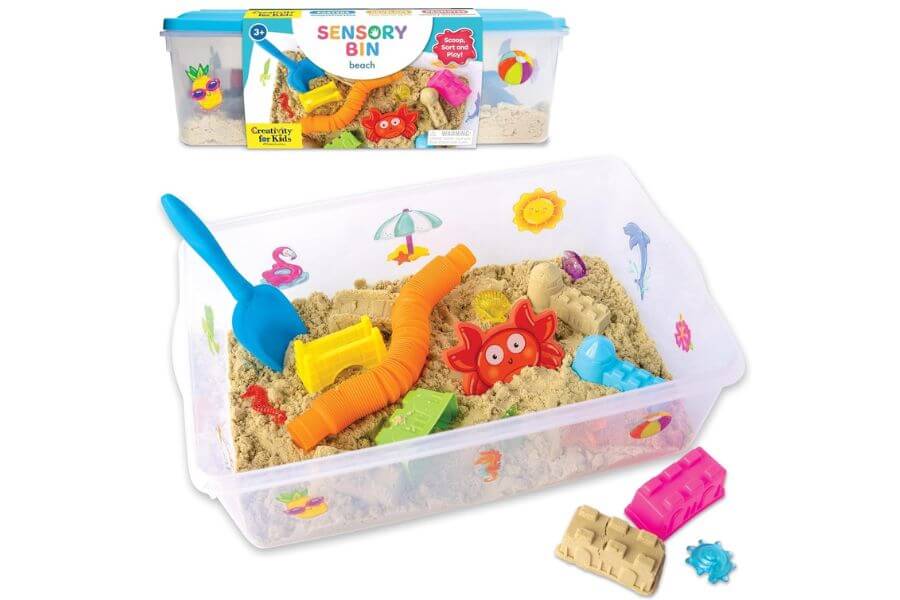
Sensory Bin for Autism – Sand & Beach Kit
Ready-to-go kit. One of the most practical sensory bins autism picks and a compact autism sand tray for calming scoop-and-dig play. Comes in other fun themes too!
15. Light-Up Sensory Toys That Kids Love
Bright, glowing visuals can be surprisingly calming. Light up sensory toys autism provide visual feedback that helps kids relax, focus, or transition between activities. They’re also great motivators for classroom reward bins or bedtime routines at home.

Light Up Sensory Toy for Autism – Flying Orb
Interactive light up sensory toys autism pick that floats and glows. Engaging visual input for regulation at home or in class.
16. Classroom Sensory Toys for Autism
The right classroom sensory toys autism can make group learning smoother by giving kids quiet ways to regulate without distracting others. Tools like wobble cushions, fidgets, and resistance bands let students stay engaged. Many of these also work well as autism classroom toys for home learning setups or homework time.

Classroom Sensory Toy for Autism – Wiggle Seat
Quiet, effective classroom sensory toys autism pick. Wobble cushions are one of the best and easiest autism classroom toys to support focus during lessons.
17. Sensory Toys for Special Needs
Sensory toys for special needs (sometimes also called sensory-friendly toys or tools for diverse learners) include chew items, weighted toys, tactile fidgets, and more. They are flexible supports that work across a wide range of children. Many of these are also recommended as autism occupational therapy toys, giving families and teachers reliable resources that therapists trust.
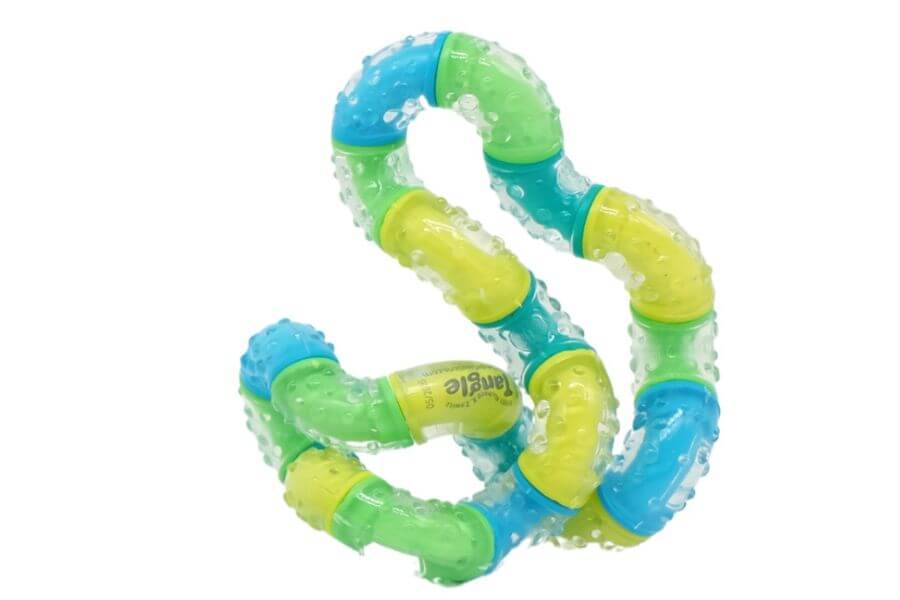
Sensory Toy for Special Needs – Tangle Therapy
Twistable, textured sensory toys for special needs that are great as autism occupational therapy toys, offering calming tactile input and endless fidgeting.
FAQ About Autism Sensory Toys
Sensory toys are specially designed to stimulate one or more senses (tactile, visual, auditory, proprioceptive, or vestibular) and help children regulate their input. They’re not just for fun; they can support self-soothing, focus, and engagement, especially for neurodivergent learners.
Therapists often suggest items that align with a child’s sensory profile and daily needs. Favorites include weighted lap pads or body socks for deep pressure, fidgets and chew tools for oral/tactile input, and swing/hammock-style tools for movement. These versatile tools are often referred to as autism occupational therapy toys, and they work just as well in homes and classrooms.
Many parents find that sensory toys offer a nonverbal way for kids to manage big feelings, especially during transitions or in busy environments. One parent put it this way:
“A box of kinetic sand, a small trampoline, even a light-up toy. These little things make such a big difference when my child feels overwhelmed.”
These tools give kids a safe and familiar way to reset and feel more grounded.
Definitely! Simple, budget-friendly items like play trays, DIY sensory bins, or chewy jewelry can be just as effective as pricier options. The key is choosing tools that meet the child’s unique needs, not the ones with the fanciest packaging. Many effective autism sensory kit essentials can be assembled affordably at home.
Pairing sensory tools with breathing activities for kids can make regulation even more effective.
Related post: Fun Breathing Exercises for Kids: A Beginner’s Guide
Final Thoughts on Choosing the Best Sensory Toys for Autism
The world of autism sensory equipment can feel overwhelming at first, but the key is simple: start with what matches your child’s unique needs. For some, that might mean movement and bouncing; for others, it’s chewing, squeezing, or cozy pressure. The right tools don’t just help kids calm down, they give them confidence, focus, and comfort in daily life.
Whether you’re a parent, teacher, or therapist, remember that these aren’t just “toys.” They’re supports that help kids thrive. From autism comfort toys like weighted animals to practical classroom fidgets, you can mix and match what works best for your situation. If you’re not sure where to begin, try building a small autism sensory kit with one item from each category, then notice what your child gravitates toward.
At the end of the day, the best sensory toys for autism are the ones that help your child feel safe, regulated, and understood.
For more ways to support kids’ regulation, check out these emotion regulation worksheets that build awareness and expression skills.
Related post: 4 Emotion Regulation Worksheet Ideas for Big Feelings



Hola, disculpa que ponga un enlace, pero me gustaría entender mejor cómo el sistema de apoyo para el autismo en Andalucía puede ayudar a las familias recién diagnosticadas. He estado leyendo sobre el tema y encontré información útil en un artículo que detalla cómo navegar el sistema en nuestra región. Parece que hay muchos recursos y consejos prácticos que podrían ser de gran ayuda. ¿Podrías darme más información sobre eso? Aquí está el enlace que vi: https://autismocordoba.com/navigating-autism-support-in-andalusia-an-insiders-look
Gracias por tu comentario y por compartir el recurso. No soy de Andalucía, así que tuve que buscarlo para responder. Por lo que veo en la guía de Autismo Córdoba y en los recursos públicos, el primer paso suele ser Atención Temprana a través del SAS/pediatra (diagnóstico y derivaciones). También recomiendan acudir a una asociación local como Autismo Córdoba para orientación práctica (terapias, listas de espera) y sobre el Certificado de Discapacidad y ayudas. He traducido este mensaje, así que disculpa si el español no es perfecto. En el blog me centro en ideas sensoriales generales; si tienes preguntas sobre eso, con gusto ayudo.